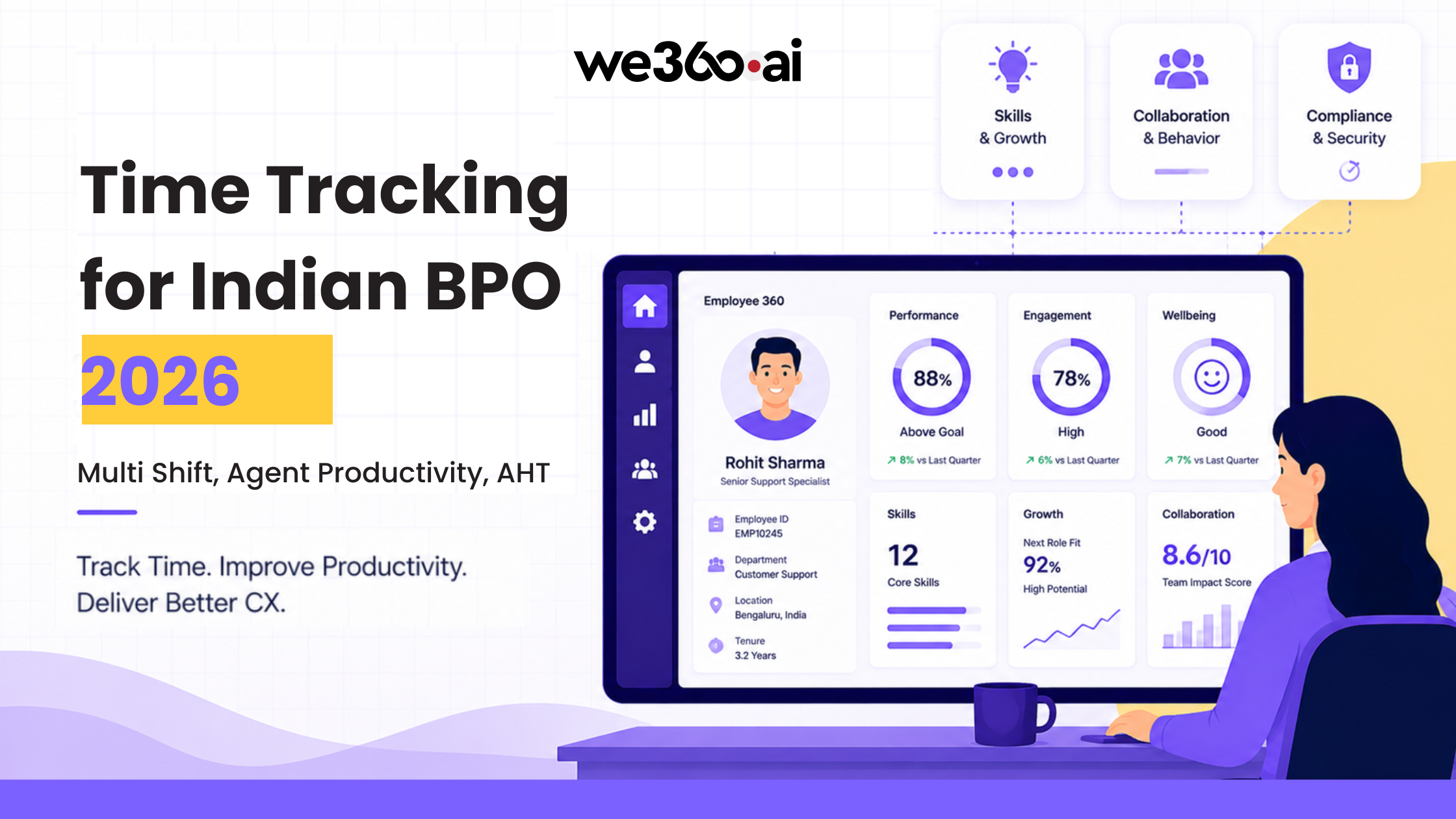
Track agent hours, AHT, and multi-shift attendance automatically. We360.ai is built for Indian BPOs. Starts at ₹299/user/month. Start free today.
%20(1).png)
HIPAA-aware, DPDP-compliant employee monitoring for healthcare teams. Track attendance, compliance, and productivity. Start free at ₹299/user/month.
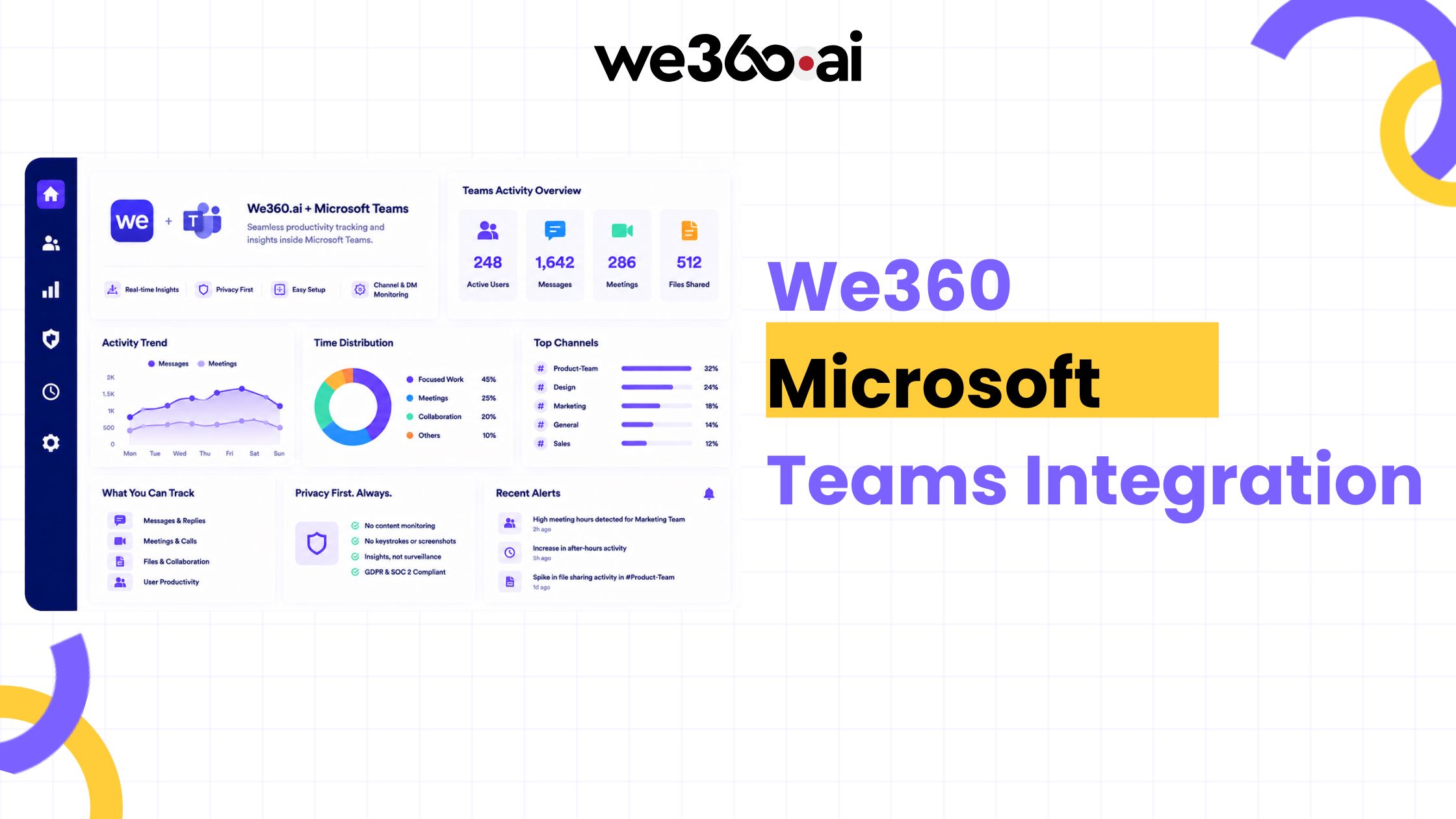
Connect We360.ai to Microsoft Teams and get real-time productivity data inside the tools your team already uses. Starts at ₹299/user/month. Try free.
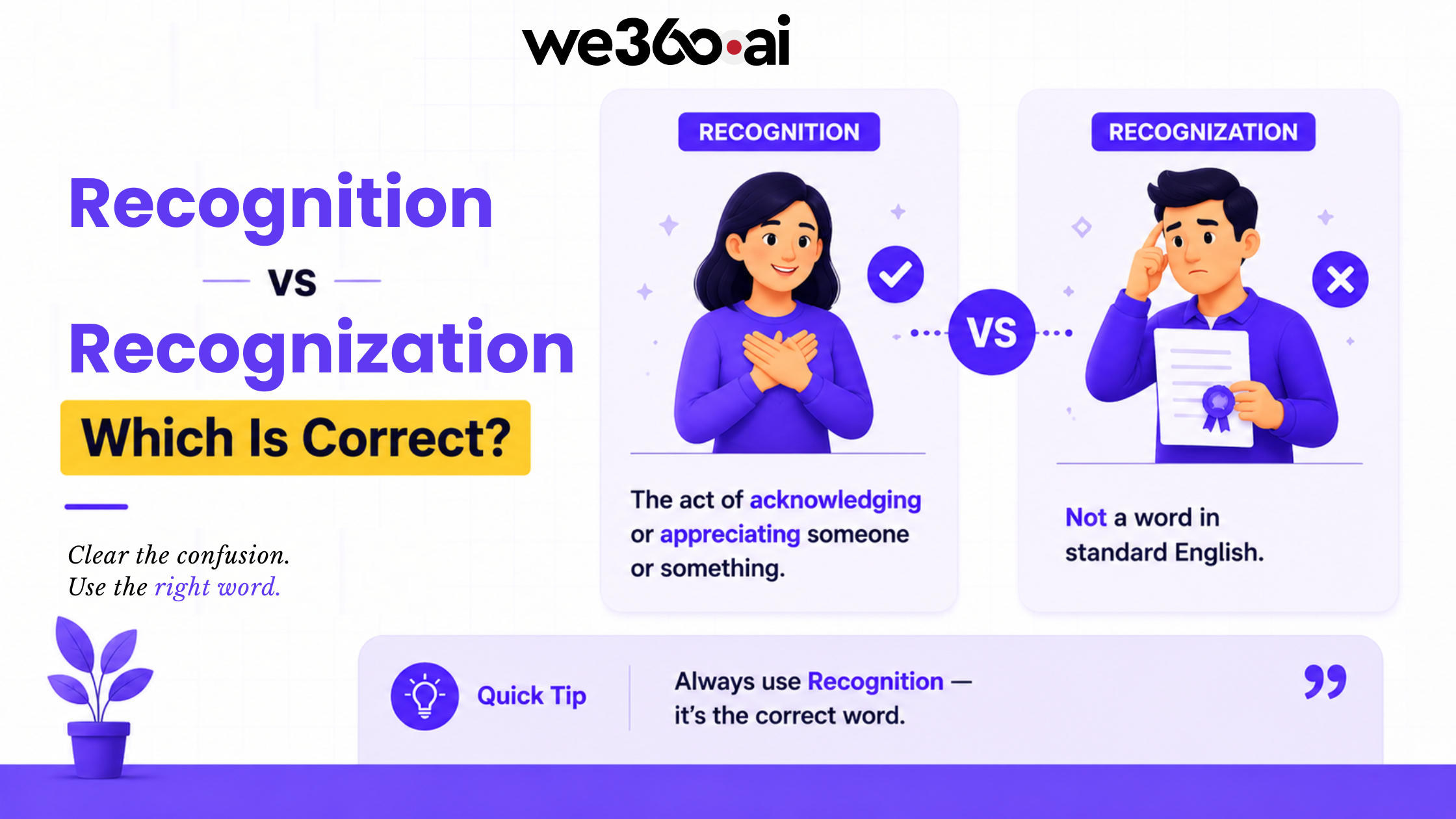
Recognization" is not a standard English word. Learn why "recognition" is always correct, with etymology, usage data, and a writer's quick-fix guide
The We360 Workforce Productivity Index draws on anonymised, aggregated platform data from 10,000+ companies using We360.ai across India, covering January through March 2026. No individual level data is exposed. All figures are company level aggregates, stripped of identifying information before inclusion.
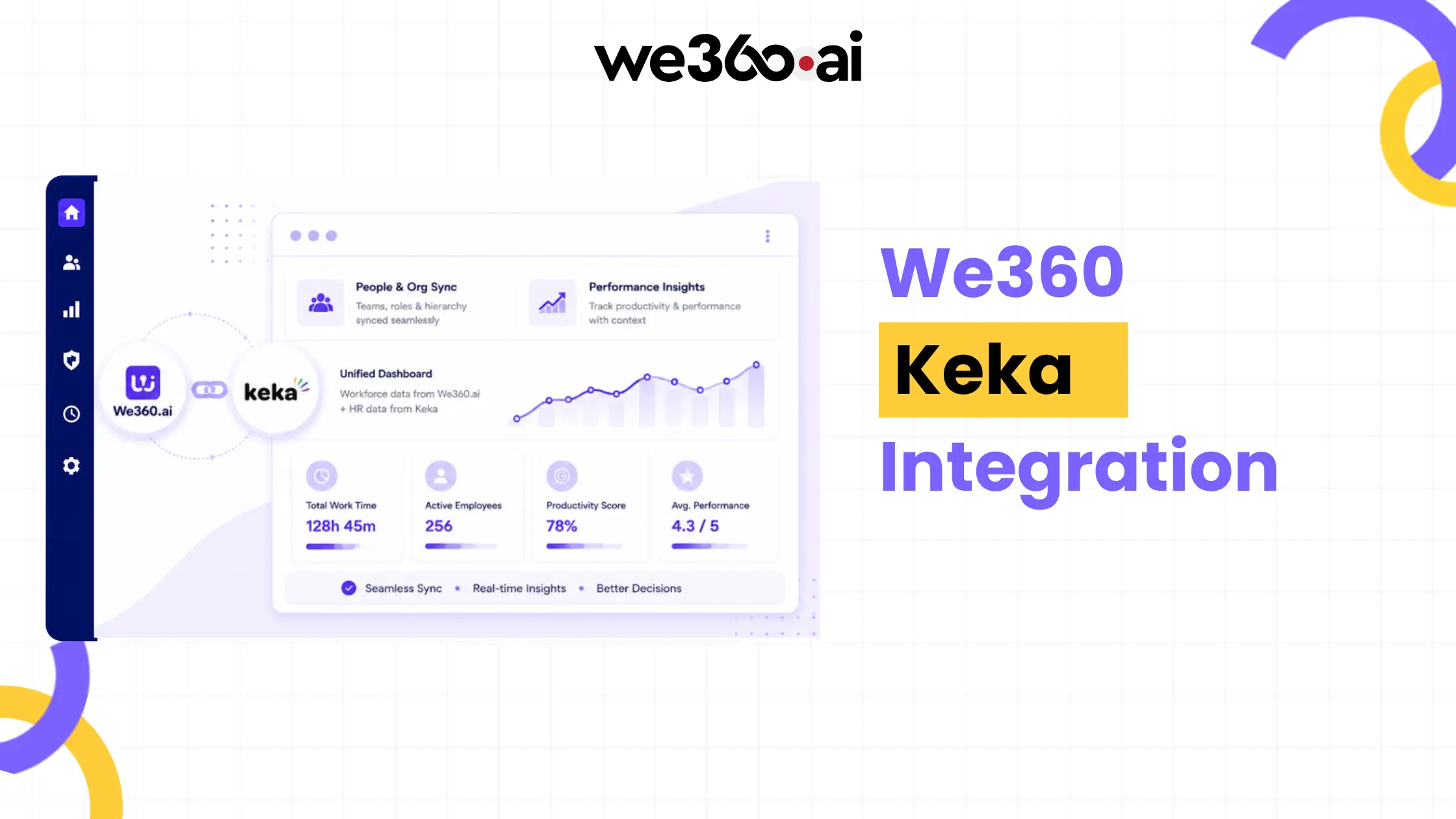
Keka handles payroll, leave, and employee records well. What it doesn't do is tell you what happened with working time after the shift started. That gap creates manual work that stacks up fast.

We360.ai's workforce analytics platform sits alongside Jira rather than replacing it. When connected, active time from We360.ai maps to open Jira issues automatically. You see actual working time per ticket, per sprint, per person pulled from real activity data, not self-reported logs.
.png)
Project work in 2026 looks nothing like project work even five years ago. Teams are distributed, scopes shift weekly, billing models are mixed, and leaders need real-time visibility without chasing status updates across Slack, spreadsheets and three different tools. This article explains how We360.ai’s Project Management m
Most companies in 2026 are already using AI somewhere in their hiring pipeline, their customer support queue, or their project management software. What fewer companies have figured out is how to use it well, in ways that actually improve working life rather than just adding surveillance overhead.
Most articles about low productivity blame the worker. The data tells a different story. According to the OECD, productivity growth across advanced economies has slowed from 2.4% in the 2000s to under 1% today, and that drag shows up on every team’s dashboard, not just on national balance sheets. For Indian and APAC operations leaders, the question is no longer whether productivity is slipping, but which of the seven root causes is hurt
The smart companies aren't just adapting to remote work trends. They're leveraging distributed work as a competitive advantage. They're building more resilient, globally diverse teams. They're creating better employee experiences. They're improving their financial performance.The trends outlined in this guide, from outcome-based management and AI-powered workforce optimization to virtual coworking spaces and VR-based training, represent

A disengaged employee doesn't just underperform. They create a ripple effect that damages team morale, slows project timelines, and increases costs through turnover, rework, and lost productivity. The challenge is that disengagement doesn't announce itself. It creeps in gradually. An employee starts missing one deadline. Then another. Their meeting participation drops. Their communication becomes terse. By the time disengagement becomes
Discover the hidden factors affecting employee productivity and learn quick ways to improve them. From tools to leadership, optimize your workforce efficiency with We360.ai's employee monitoring software.
What does hybrid remote work mean in 2026? This complete guide covers hybrid work models, benefits, challenges, and implementation strategies every business needs to stay productive and competitive.