

Blog
All Articles
Browse the full We360.ai blog archive — search and filter by category or tag.
Showing 1–12 of 96 articles
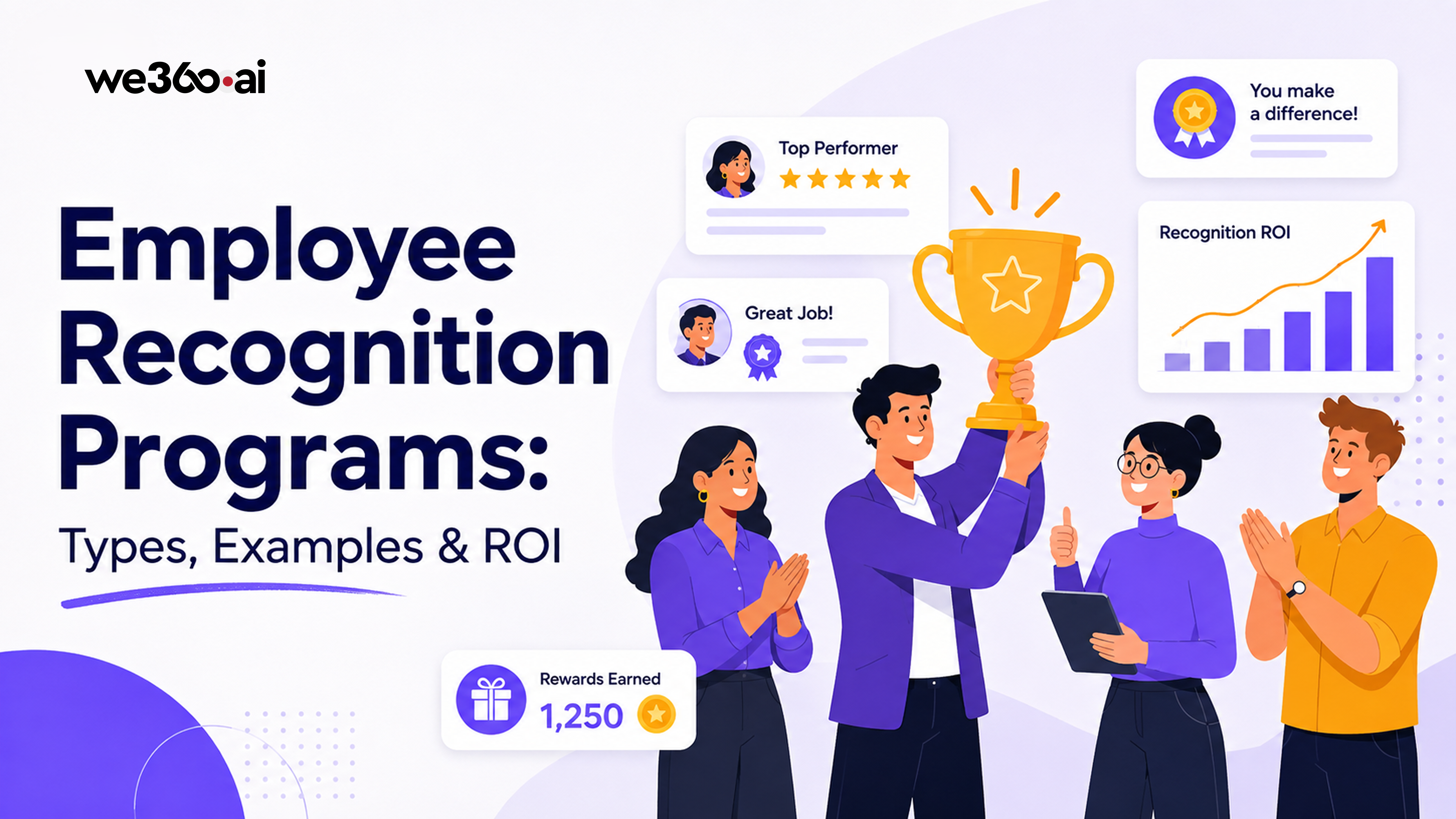
Employee recognition Programs: Types, Examples, and ROI
Employee recognition programs can improve engagement, retention, and workplace culture when done consistently. This guide covers the different types of recognition programs, real-world examples, rewards vs. recognition, options for small businesses, and the research-backed ROI of recognizing employees effectively.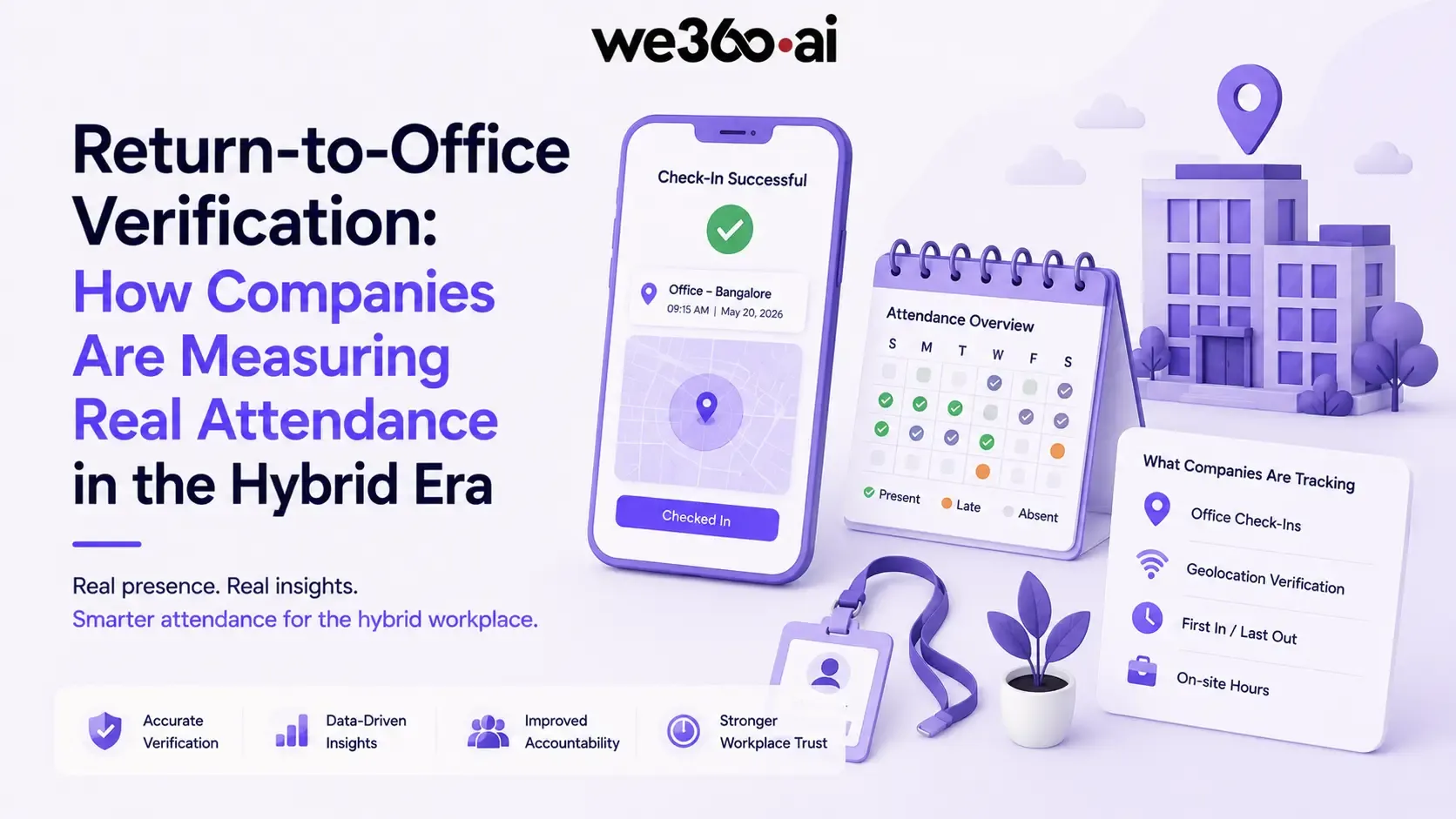
The Future of Employee Attendance and Tracking
Employee attendance and tracking are changing as workplaces become more flexible and distributed. This guide looks at how businesses are using modern technology to manage attendance, work hours, remote teams, and productivity. Learn about emerging trends, practical tools, and better ways to track work while keeping processes simple and transparent.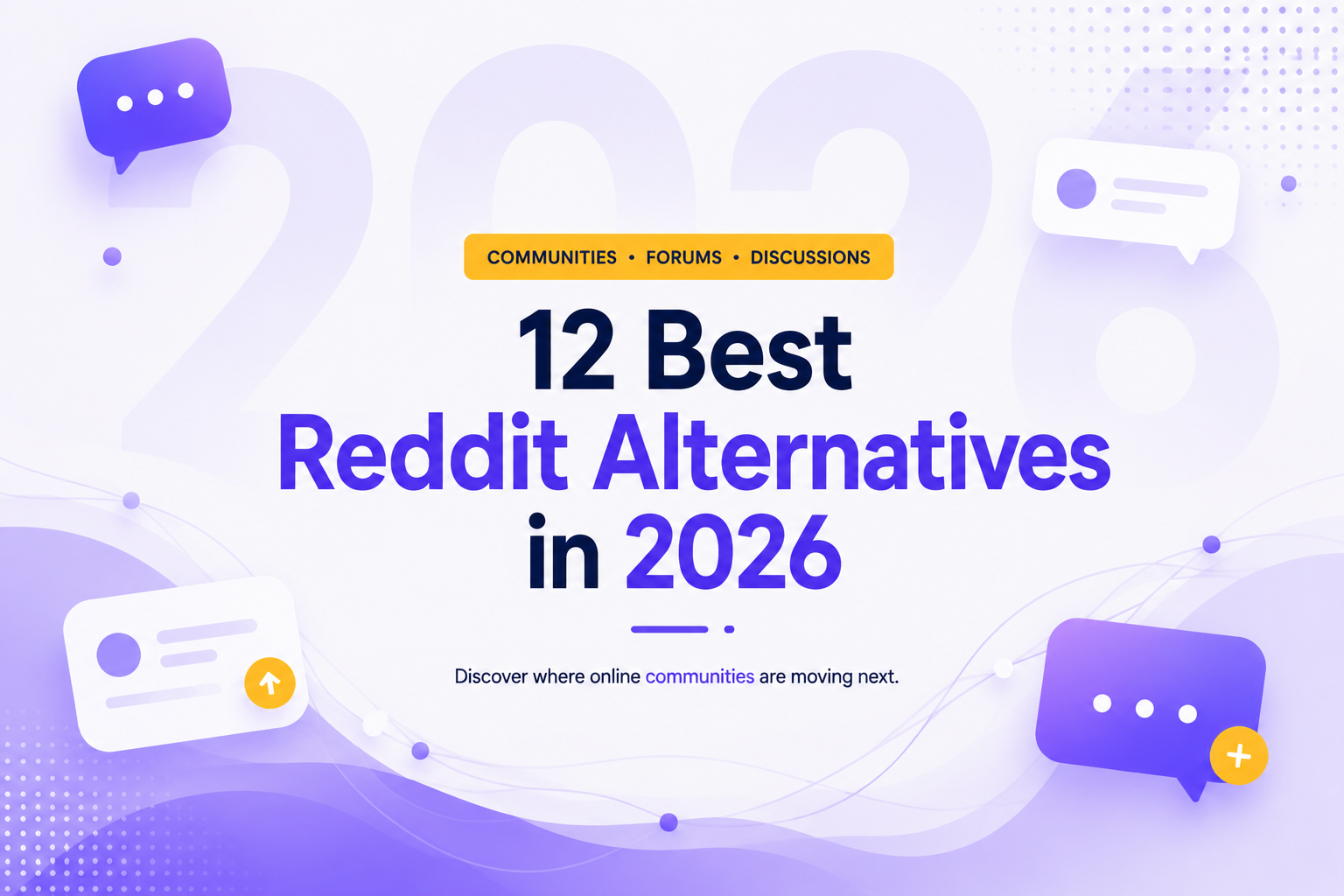
Managing Bench Time: A Guide for Staffing & Services Teams
Bench time is common in staffing and services businesses, but it can quickly become costly if it isn’t managed well. This guide explains how to track bench time, keep employees engaged, identify upcoming opportunities, improve resource planning, and make better use of available talent while waiting for the next project.
What Is Time Theft? Definition, Examples & How Companies Detect It
Learn what time theft means, how it happens, and why it matters to businesses. Explore common examples such as inaccurate time reporting, extended breaks, buddy punching, and unauthorized activities. Understand how companies detect time theft using attendance systems, time tracking, and productivity tools while maintaining transparency, fairness, and employee trust.
Productivity Without Big Brother.webp?v=2026-08-22T07%3A23%3A14.411Z)
AI in the Workplace: 2026 Trends and Real-World Impact
AI is becoming a bigger part of everyday work, from automating routine tasks to helping teams make faster decisions. This guide explores the key AI workplace trends shaping 2026, along with real-world examples of how businesses are using AI to improve productivity, collaboration, employee experience, and overall workplace efficiency.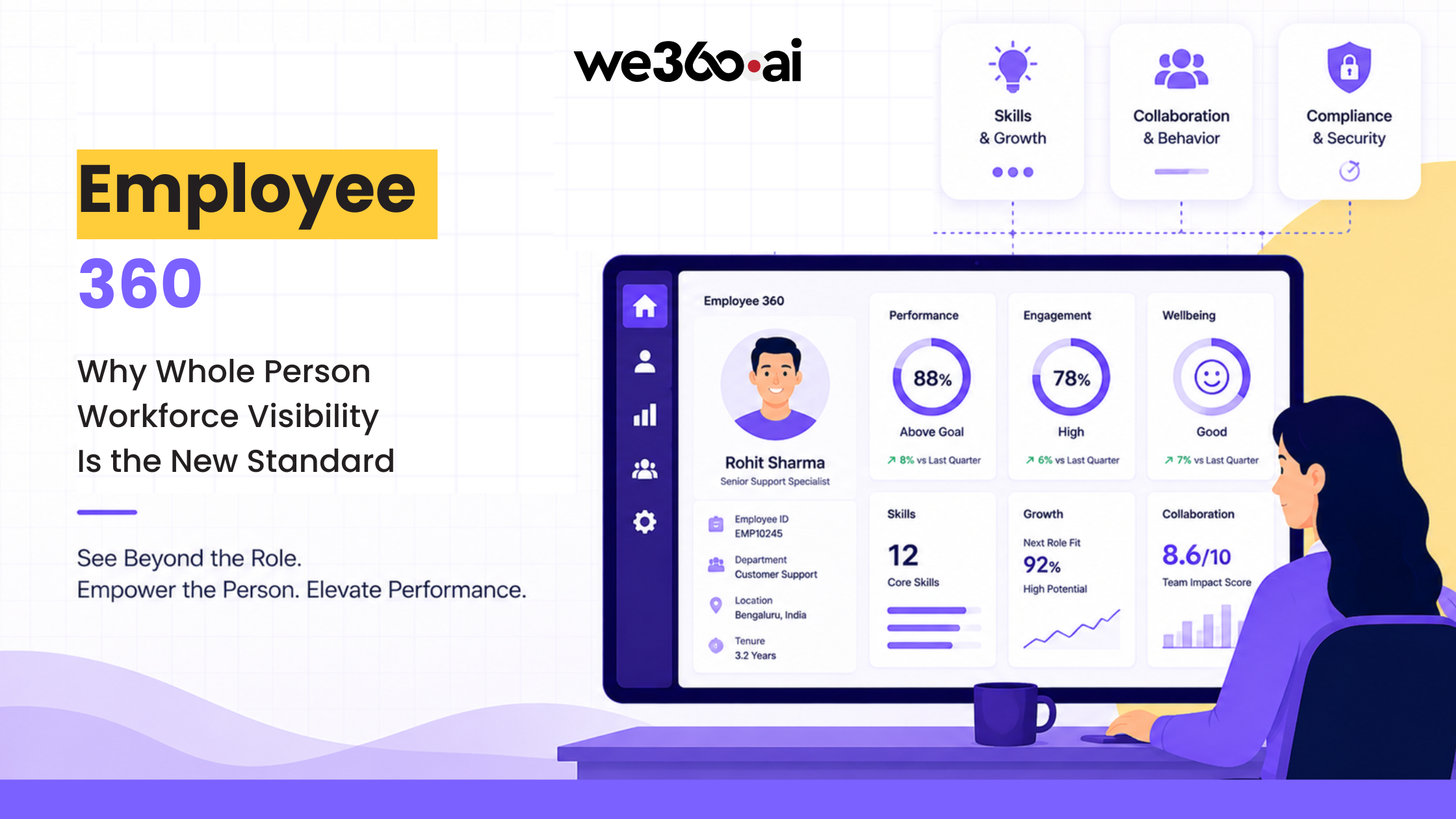
Employee 360: The 2026 Guide to Workforce Visibility
An Employee 360 brings attendance, performance, engagement, learning, and workforce data into one unified view. This 2026 guide explains how Employee 360 works, what data it includes, its benefits for HR teams, and how to implement it effectively while maintaining employee trust and data privacy.![Employee 360 [2026]: Why Whole-Person Workforce Visibility Is the New Standard](https://media.we360.ai/media/Employee 360 Guide 2026 Whole-Person Visibility We360.ai.png?v=2026-08-14T05%3A20%3A24.790Z)
![People Analytics [2026]: Definition, Tools, Use Cases](https://media.we360.ai/media/People Analytics 2026-Definition, Tools, Use Cases.png?v=2026-08-13T07%3A38%3A36.736Z)
