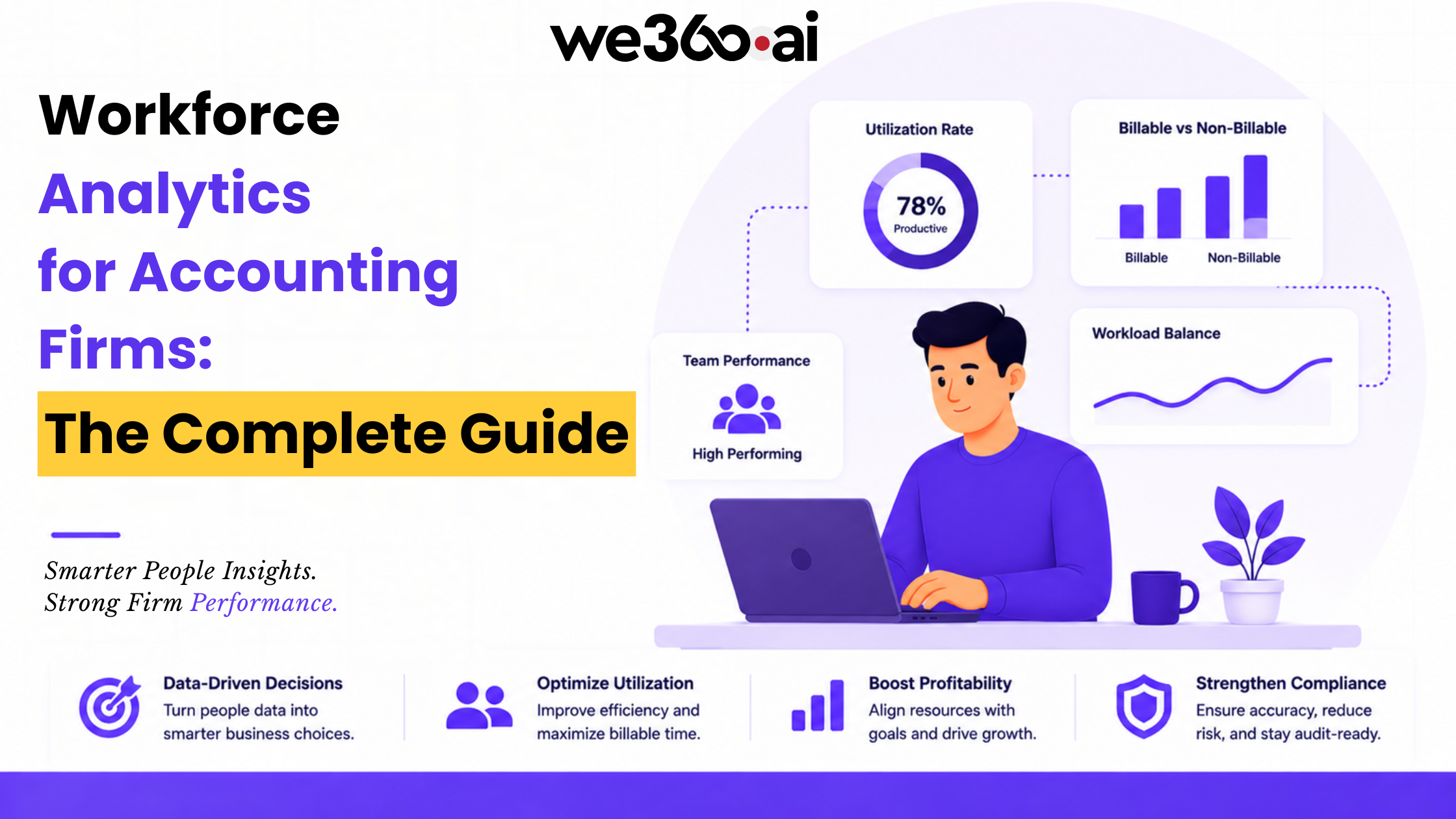
Track billable hours, staff utilisation, and client profitability with workforce analytics built for accounting firms in India. Start free with We360.ai.
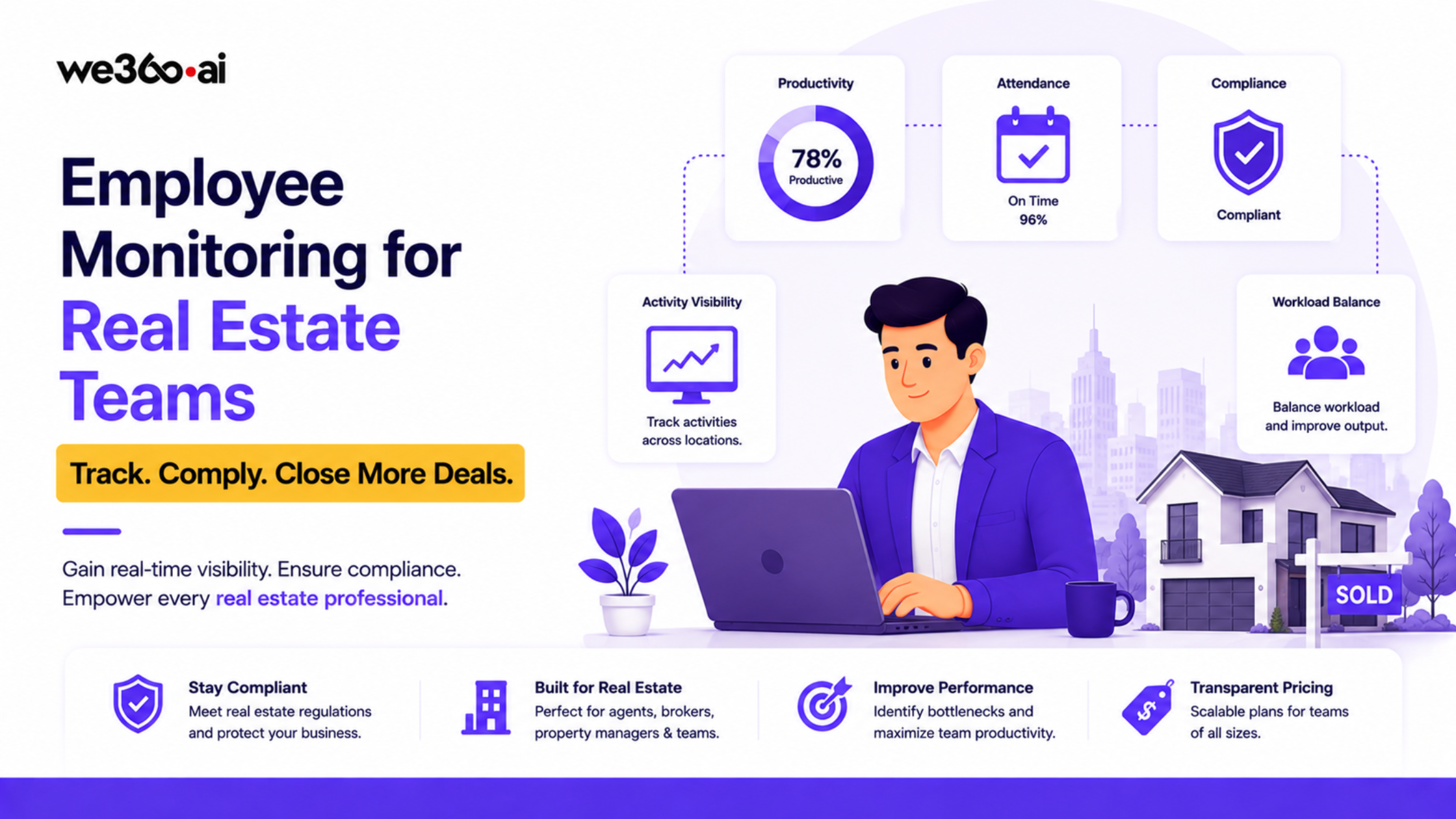
Track field agents, automate attendance, and prove ROI with ethical employee monitoring built for real estate. Starts at ₹399/user. Start free today.
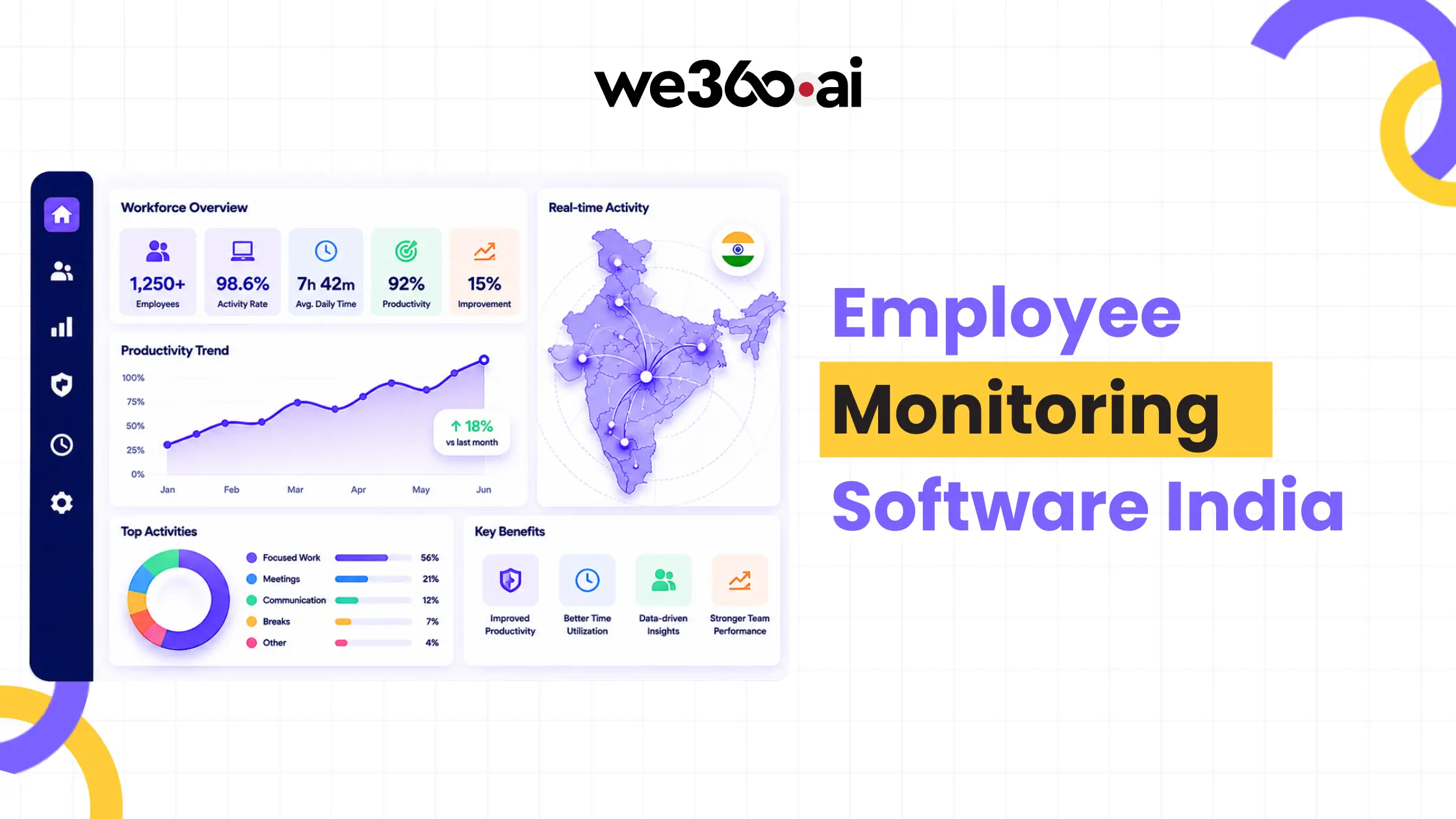
We360.ai replaces guesswork with a single source of truth for workforce activity. Operations and HR leaders get real-time visibility into attendance, applications, websites, and field locations without playing detective. The platform is built India-first, with consent prompts, role-based access, and audit logs that map cleanly to local regulations.
AI data collection now depends on infrastructure that can support stable scraping, controlled routing, and recurring automation across multiple targets. AI systems continuously collect product data, search results, reviews, social media signals, and public web content, which makes request distribution and session stability critical for long-running workflows.

People analytics is no longer a “nice to have” because it has become the operating system of the modern HR function. Boards now ask CHROs for the same rigour that their CFOs deliver, which means numbers, trends, forecasts, and a clear line from workforce decisions to revenue. This guide explains what people analytics is in 2026, the seven pillars that frame it, the tools that power it, the salaries it commands, and how operations and HR

AI employee monitoring software has moved from a nice-to-have feature to a core operations layer in 2026, especially for distributed Indian and APAC teams. The shift is driven by hybrid work, generative AI usage at the desk, and rising compliance pressure
Buying employee monitoring software without a plan is expensive in ways that don't show up in the licence cost. The real costs are the trust you spend if the rollout is handled badly, the IT hours lost to a tool that doesn't integrate with your stack, and the compliance exposure if your data practices don't survive scrutiny.
The smart companies aren't just adapting to remote work trends. They're leveraging distributed work as a competitive advantage. They're building more resilient, globally diverse teams. They're creating better employee experiences. They're improving their financial performance.The trends outlined in this guide, from outcome-based management and AI-powered workforce optimization to virtual coworking spaces and VR-based training, represent

A disengaged employee doesn't just underperform. They create a ripple effect that damages team morale, slows project timelines, and increases costs through turnover, rework, and lost productivity. The challenge is that disengagement doesn't announce itself. It creeps in gradually. An employee starts missing one deadline. Then another. Their meeting participation drops. Their communication becomes terse. By the time disengagement becomes
Discover powerful ways to monitor remote employees without micromanaging. Learn how companies use employee monitoring software to track productivity, work hours & performance effectively. Try We360.ai free!
Learn the key high-performance employee behaviors every manager must track to identify top talent fast. Use data-driven insights and employee monitoring tools to boost team productivity with We360.ai.
Discover the hidden factors affecting employee productivity and learn quick ways to improve them. From tools to leadership, optimize your workforce efficiency with We360.ai's employee monitoring software.
Discover how software usage tracking helps organizations monitor app usage, reduce costs, and boost productivity. Learn how We360.ai's automated monitoring tools optimize your technology ROI effectively.
Are workload distribution mistakes burning out your team? Discover how to identify imbalances, fix task allocation issues, and boost team productivity fast with We360.ai's workforce management tools.
What does hybrid remote work mean in 2026? This complete guide covers hybrid work models, benefits, challenges, and implementation strategies every business needs to stay productive and competitive.