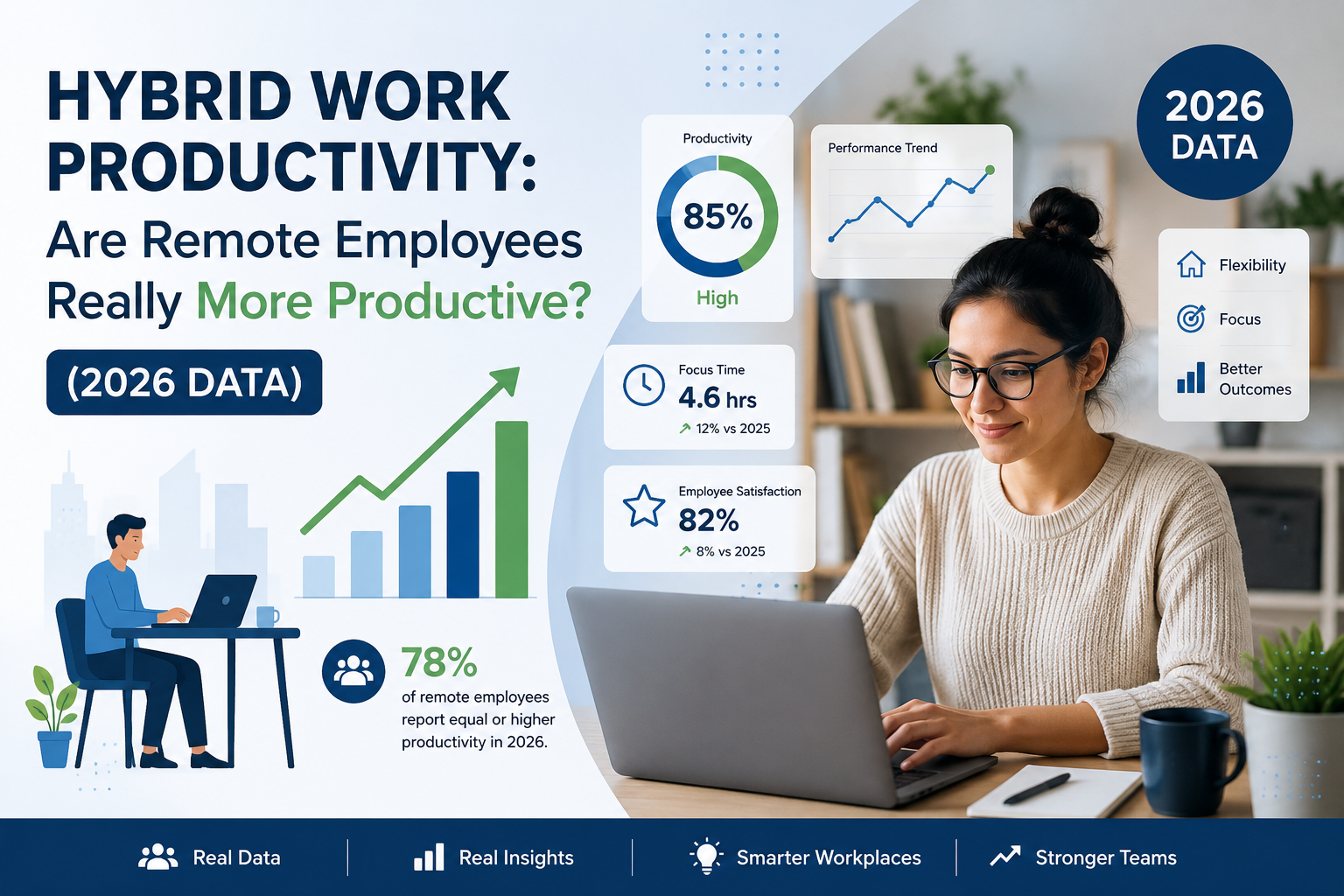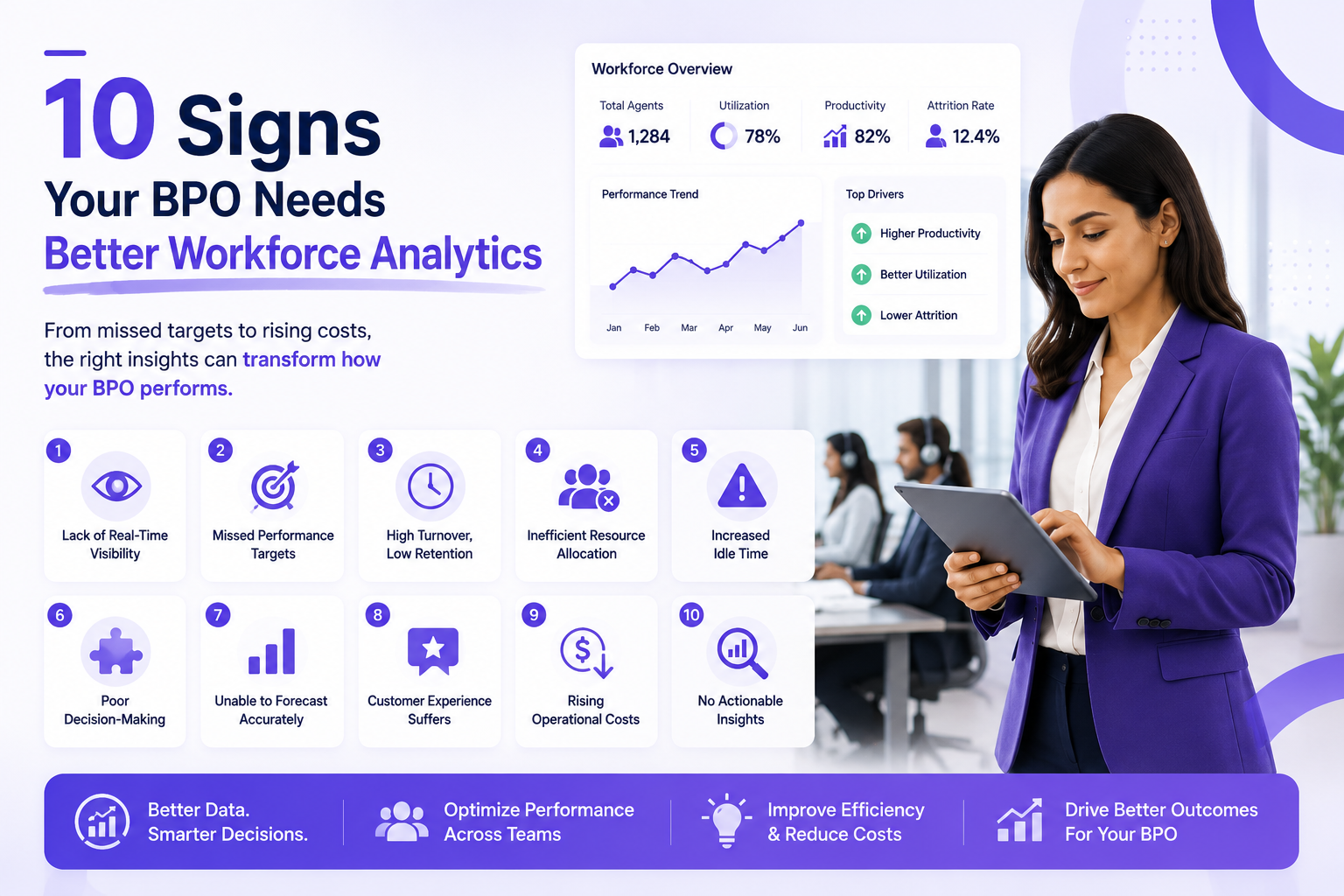

Remote work has rapidly evolved from COVID-19 to a norm today. Both fast-growing organizations and enterprises have distributed workforce working remotely. The flexibility is there, but managing performance and accoutnabity has become cumbersome.
For most remote managers visibility is the #1 challenge.
Apart from visibility, common remote work challenges include:
- Unclear productivity levels.
- Missed deadlines without prior notice.
- No real-time insight into employee activity.
- Difficultly segregating busy work from productive work.
This is where a remote workforce analytics tool becomes prominent.
Let’s understand:
What is remote team management?
Remote team management implies that multiple team members work together even though they may be remotely placed.
The five core elements of remote team management strategies are:
- Clarity system
- Communication system
- Accountability system
- Engagement system
- Tools integration system
These core elements of remote team management lead to:
- Regular check-ins and communication keeping everyone connected.
- Employees’ positioning in different geo-locations accommodating them together.
- Proper remote tools ensuring productivity without micromanaging.
- Virtual meetups and recognition boosting team morale and engagement.
Although, there have been strategic steps to boost remote teams’ performance, here are a few challenges faced.
Challenges of remote team management
Common bottlenecks include:
- Managers cannot physically observe workflows.
- Reliance on assumptions, manual reports, or delayed updates.
- Results in poor decision-making.
- Employees may appear online but accomplish little.
- Traditional tracking tools measure time, not performance.
- Missed project timelines.
- Reduced operational efficiency.
- Increased employee disengagement.
These challenges post the requirement of giving insight into employee activity. This is a healthy surveillance and not micromanaging thus boosting employee productivity.
What are activity insights, and why do they matter?
Activity insight refers to aggregated visibility into team members’ work patterns, app, and web usage without invasive surveillance. It offers real-time data showing how employees spend their work hours, including app usage, productivity levels, idle time, and workflows
How Activity Insights Help Managers?
Activity insights offer remote teams deliver objective data on work patterns, removing guesswork with actionable trends. With dashboards on app usage, focus time, and engagement, enable proactive leadership without constant meetings.
You can integrate your remote workforce analytics tool with ASANA/Slack for project-tied insights. Cut minutes saved daily or some percentage of your work. Reports on work types and HRIS sync inform hiring or policy tweaks.
Result: higher profitability in coordinated teams.
Activity insights are critical for remote success because they:
- Removes guesswork
- Enables proactive management
- Improves accountability
Key activity insights that help you run a remote team like a pro
A balance between active and idle time gives you a clear view of how productive employees are during a workday. High idle time indicates blockers, distractions, or disengagements. On the flip side, employees working continuously without a break are near burnout.
Solution? Do not just assess hours; study how these hours are spent. Check:
- How long employees work on core apps vs idle time.
- Identify patterns of disengagement to schedule coaching check-ins.
- Watch for signs of overwork and redistribute tasks.
- Verify presence with quality of engagement.
Now that we know how to manage remote work, let’s go into the 10 trends of remote work for 2026.
10 trends that will transform remote team management in 2026
- Corporate culture is reshaped by aggressive return-to-office mandates.
- Hybrid work becomes the default operating model.
- AI-driven productivity solutions revolutionize remote processes.
- Time-based metrics are replaced by outcome-based performance frameworks.
- For remote teams, cybersecurity becomes crucial.
- The workforce of digital nomads becomes widespread
- Decentralized offices and remote work hubs are becoming more popular.
- Employee well-being and mental health are no longer negotiable.
- Upskilling and continuous learning are accelerating in all enterprises.
- Eco-friendly and sustainable remote work methods grow
These trends are gaining traction. You need a tool that works for your remote team and takes your business to another level.
This is where we360.ai steps in!
We360.ai: Run remote teams with confidence and clarity
We360.ai is an AI-powered workforce intelligence and employee monitoring platform for remote teams to achieve their utmost productivity. It enables organizations to track productivity, monitor performance, analyze work patterns, and optimize team efficiency all from a centralized dashboard.
Gain the visibility, accountability, and insights your remote teams need to perform at their best. Start running your team with confidence and clarity today with We360.ai.
FAQs