
Organizational change in hybrid environments often fails because leaders cannot see behavioral resistance early enough to act. Traditional reporting methods show outcomes after productivity drops, not before. This is where productivity monitoring tools and a modern workforce analytics platform become critical.
AI-powered prediction converts everyday work patterns into forward-looking insights. It analyzes focus time, collaboration load, tool adoption, and workload distribution to forecast where performance may decline. This allows organizations to move from reactive change management to proactive change intelligence.
In hybrid workforce management, the ability to predict human response to transformation is a measurable business advantage.
The Hidden Barriers to Change in Hybrid Teams
Businesses implementing new systems, restructuring teams, or shifting work models face a visibility gap. Performance dashboards often show activity, but not actual work behavior.
Key challenges include:
- Employees appearing active while output declines
- Slow adoption of new enterprise tools
- Fragmented deep-work time across distributed teams
- Collaboration overload due to excessive meetings
- Uneven workload during transformation phases
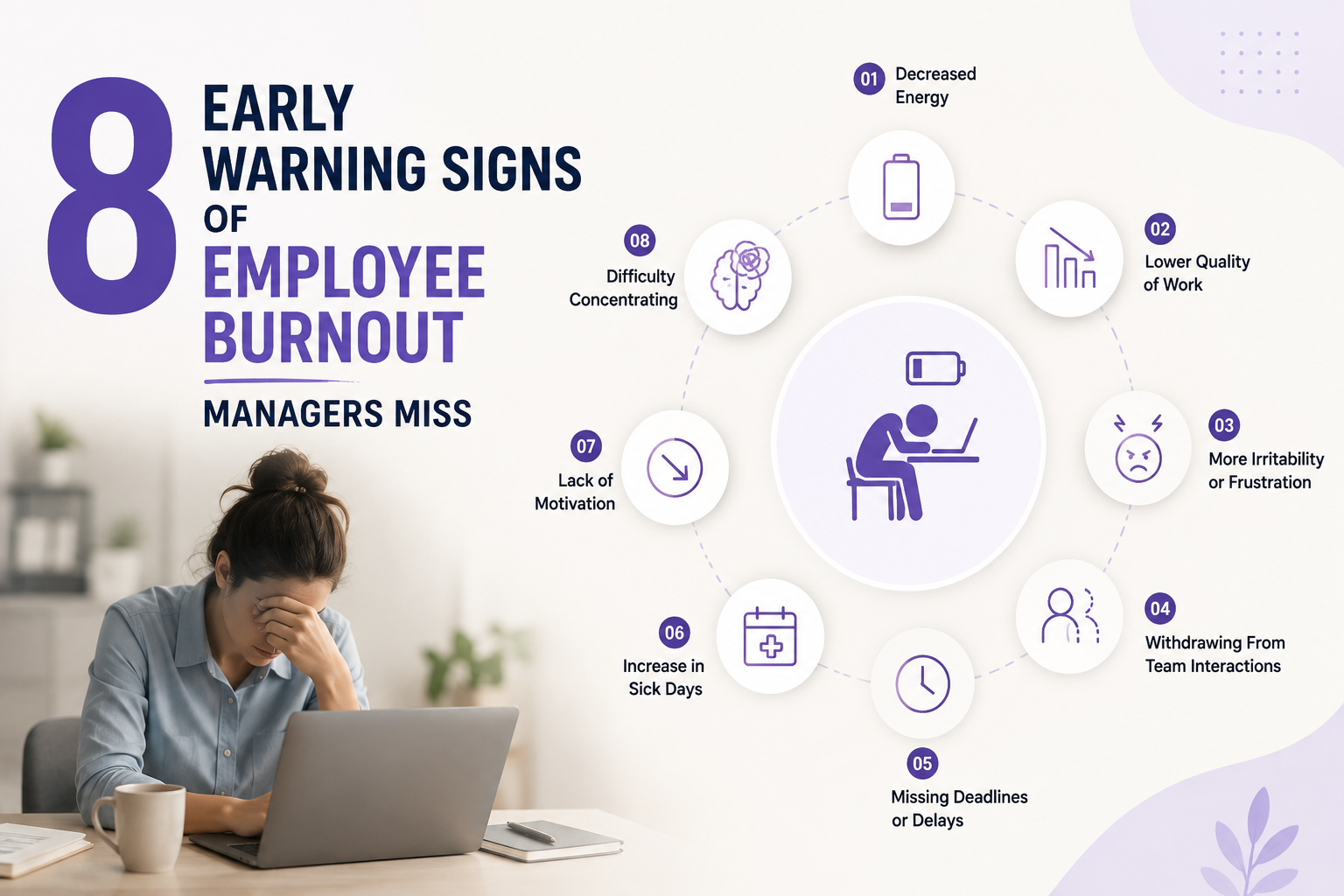
- Silent disengagement that is not reflected in reports
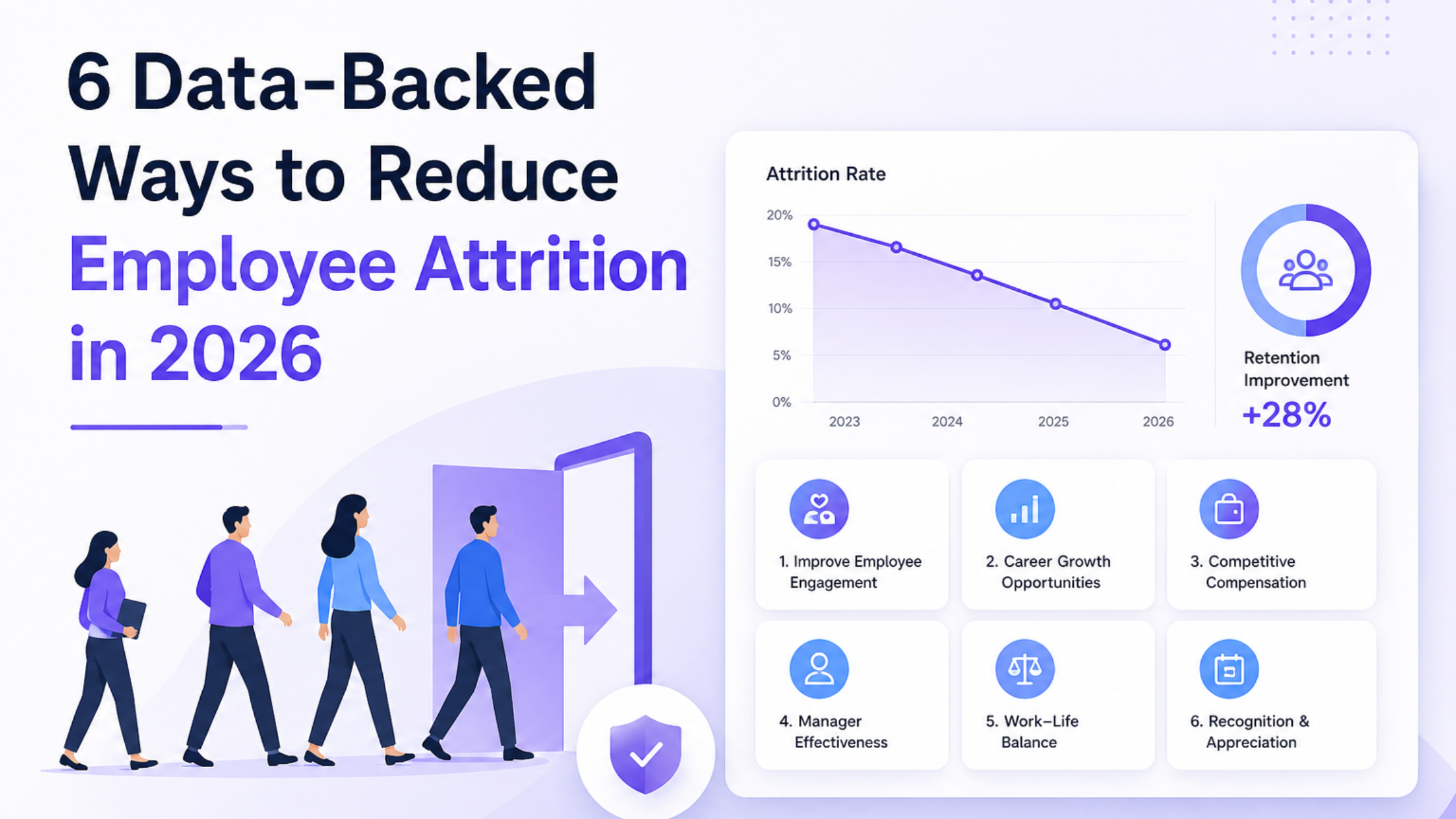
These issues occur because most organizations rely on lagging indicators such as surveys, login data, or periodic performance reviews. These metrics do not capture real-time behavioral shifts.
A workforce analytics platform powered by AI identifies early signals of resistance. It enables targeted interventions before productivity, morale, or delivery timelines are affected.
What is a Workforce Analytics Platform?
A workforce analytics platform is a digital system that collects and analyzes work activity data to provide real-time visibility into productivity, focus patterns, collaboration behavior, and tool adoption. It transforms raw activity into actionable insights that help organizations forecast performance trends, optimize hybrid workforce management, and make data-driven operational decisions.
How AI Predictions Work in Productivity Monitoring Tools
AI prediction in productivity monitoring tools is based on continuous analysis of real work signals across applications and digital workflows.
The system typically:
- Collects data such as productive time, idle patterns, application usage, and meeting frequency
- Provides insights into focus duration, context switching, and collaboration intensity
- Identifies deviations from normal performance baselines
- Helps organizations detect burnout risk and adoption barriers early
This intelligence layer enhances traditional time tracking software by adding behavioral context.
For example, instead of measuring hours worked, the platform measures:
- Quality of focus time
- Tool engagement patterns
- Workload balance across teams
In remote employee monitoring environments, this creates a unified and objective view of performance without relying on assumptions.
Strategic Importance for Growing Organizations
AI-powered workforce intelligence directly impacts how organizations scale transformation.
- Operational efficiency improves because performance risks are addressed before they affect delivery timelines.
- Workforce visibility becomes continuous, not periodic.
- Data-driven decision-making replaces guesswork, enabling precise managerial action.
- Hybrid workforce management becomes structured and measurable, even across distributed teams.
Enterprise leaders require systems that connect productivity data with business outcomes. Enterprise productivity tracking provides this connection by aligning daily work behavior with transformation goals.
In a landscape where AI adoption, digital tool rollouts, and organizational restructuring happen simultaneously, predictive insight is a leadership capability.
Organizations that use advanced employee monitoring software for change intelligence maintain productivity during transitions and achieve faster adoption of new workflows.
Turning Change Resistance into Predictive Action with We360.ai
We360.ai applies AI prediction to real-time work behavior to detect early indicators of change friction. It identifies declining focus patterns, irregular productive hours, and collaboration overload before they impact output.
This allows managers to:
- Deliver targeted retraining for at-risk users
- Redistribute workloads during high-intensity transformation
- Phase hybrid policy rollouts based on team readiness
- Support high performers during tool migration
The result is a structured, data-backed approach to transformation that protects productivity while improving adoption speed.
Frequently Asked Questions
Conclusion
Change resistance in hybrid teams begins with small behavioral shifts that traditional systems cannot detect in time. AI-powered productivity monitoring tools and a modern workforce analytics platform convert these micro-patterns into predictive, actionable intelligence.
This approach allows organizations to implement transformation without productivity loss, support employees at the right moment, and maintain continuous operational momentum. In 2026, predicting human response to change is not an enhancement—it is a core management capability.