
Businesses today need simple ways to ensure company policies are followed without constant supervision. As teams become more distributed and digital tools dominate daily workflows, it becomes harder for managers to detect small issues early. Platforms like We360.ai help organizations monitor productivity, analyze work patterns, and identify potential policy violations before they turn into serious operational problems.
Why Are Easy Policy Checks Important in Modern Workplaces?
Modern workplaces are no longer limited to traditional office environments. Many organizations now operate with remote or hybrid teams, flexible schedules, and digital collaboration tools. While these changes increase efficiency and employee flexibility, they also make it harder to maintain consistent policy compliance.
Managers cannot always manually observe how employees use their work hours or company systems. As a result, minor issues—such as excessive idle time, inefficient workflows, or misuse of company resources—can go unnoticed for long periods.
Easy policy checks allow organizations to detect such problems early. Instead of waiting for productivity reports or complaints to reveal issues, companies can rely on automated insights that highlight unusual work patterns.
When implemented effectively, policy monitoring helps businesses:
- Maintain operational transparency
- Ensure employees follow company guidelines
- Detect productivity issues early
- Reduce security and compliance risks
- Improve overall team accountability
Rather than policing employees, modern policy monitoring focuses on creating visibility and supporting better work habits.
What Is We360.ai?
Managing teams effectively requires more than communication tools and project management platforms. Organizations also need clear insights into how work is being performed. This is where We360.ai plays an important role.
We360.ai is a workforce analytics and employee monitoring platform designed to help organizations understand productivity trends, analyze employee work patterns, and identify potential issues that might affect business performance.
The platform collects and analyzes activity data during work hours to provide managers with meaningful insights. Instead of relying on guesswork, companies can view clear analytics about how time is spent across tasks, applications, and workflows.
Some of the insights organizations gain include:
- Work-hour activity patterns
- Application and website usage
- Productivity trends across teams
- Time spent on specific tasks
- Changes in performance behavior
By transforming raw activity data into actionable insights, We360.ai enables companies to make better management decisions.
How Does We360.ai Flag Issues Before They Grow?
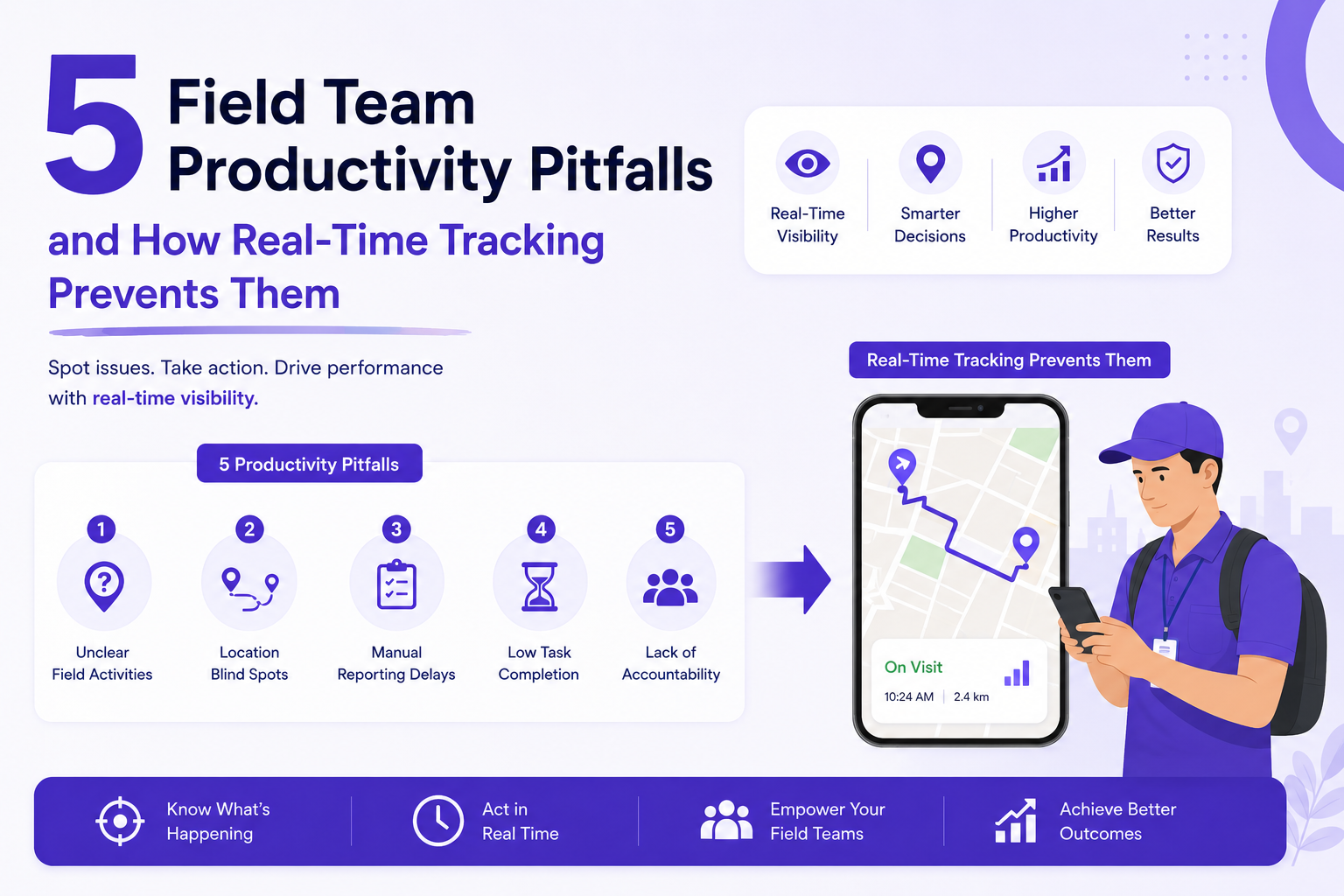
One of the most valuable features of modern workforce monitoring tools is their ability to detect problems early. Instead of identifying issues after they affect productivity or compliance, platforms like We360.ai analyze patterns and highlight irregularities in real time.
The process typically involves several stages.
Real-Time Activity Tracking
We360.ai monitors employee activity during working hours to understand how time is being used. This includes tracking active work time, idle periods, application usage, and website visits.
These insights help managers identify whether employees are engaged with work-related tasks or experiencing distractions that reduce productivity.
Work Pattern Analysis
Over time, the system begins to understand normal work patterns for individuals and teams. When unusual behavior occurs, it becomes easier to detect.
For example, the system may identify patterns such as:
- Sudden decreases in productivity
- Increased idle time
- Frequent switching between applications
- Extended use of non-work websites
These signals do not automatically indicate wrongdoing, but they highlight areas where managers may want to investigate or provide support.
Automated Alerts for Managers
Instead of requiring managers to constantly review activity reports, the system automatically generates alerts when unusual patterns appear.
For instance, alerts may be triggered when:
- Productivity levels drop significantly
- Employees remain inactive for long periods
- Non-work applications are frequently used during work hours
These alerts allow managers to address issues quickly, often before they affect team performance.
Data-Driven Decision Making
Another advantage of monitoring platforms is their ability to provide objective data. Managers can review reports and analytics to understand the root cause of issues rather than relying on assumptions.
Reports may include insights such as:
- Daily and weekly productivity summaries
- Application usage breakdowns
- Time utilization patterns
- Team performance comparisons
With access to this data, organizations can implement more informed and fair workplace policies.
What Types of Policy Issues Can Be Detected Early?
Workplace monitoring systems can detect a variety of potential issues that may otherwise go unnoticed until they become larger problems.
Productivity Decline
Gradual productivity decline is common in many organizations but can be difficult to detect without detailed analytics. Monitoring systems help identify patterns such as:
- Increasing idle time
- Reduced active working hours
- Delays in task completion
Recognizing these patterns early allows managers to offer guidance, training, or workflow improvements.
Misuse of Work Hours
Employees may occasionally become distracted during work hours. While occasional breaks are normal, excessive non-work activity can reduce productivity.
Monitoring systems may identify patterns such as:
- Frequent visits to non-work websites
- Extended social media browsing
- Long idle periods
These insights help organizations encourage better time management.
Policy Violations
Many companies establish policies regarding acceptable use of company systems and digital resources. Monitoring tools can help ensure these policies are followed.
Examples include:
- Use of unauthorized applications
- Accessing restricted websites
- Violating work-hour guidelines
Detecting such issues early helps prevent larger compliance concerns.
Security Risks
Unusual activity patterns may sometimes indicate potential security threats. For example, irregular login behavior or attempts to access restricted resources may require further investigation.
Early detection allows organizations to respond quickly and protect sensitive information.
Benefits of Automated Policy Monitoring
Organizations that implement automated monitoring systems often see improvements in productivity, transparency, and operational efficiency.
Early Detection of Problems
One of the biggest advantages is the ability to identify issues before they grow into serious challenges. Managers can address concerns early and prevent long-term productivity loss.
Improved Productivity
When employees understand how their work patterns are measured, they often become more conscious of time management and task prioritization.
This awareness encourages more focused work habits.
Better Remote Team Management
Remote work environments require new approaches to supervision. Monitoring platforms provide managers with visibility into workflows without requiring constant check-ins or meetings.
Managers can track progress and identify delays more effectively.
Data-Driven Performance Insights
Analytics help organizations understand the factors that influence productivity. Managers can identify which processes work well and which areas need improvement.
These insights help leaders make strategic decisions about workflow optimization.
Greater Workplace Transparency
When monitoring tools are implemented with clear communication, they create transparency rather than suspicion. Employees know what is expected, and managers rely on objective data rather than assumptions.
How Can Businesses Implement Effective Policy Monitoring?
Successful policy monitoring requires more than simply installing software. Organizations must establish clear guidelines and communicate openly with employees.
Define Clear Workplace Policies
Companies should clearly outline acceptable use of systems, productivity expectations, and security practices. When employees understand these policies, compliance becomes easier.
Communicate Monitoring Practices
Employees should be informed about monitoring systems and the purpose behind them. Transparency builds trust and helps employees feel comfortable with the technology.
Focus on Improvement, Not Surveillance
Monitoring tools should be used to support employee productivity and improve workflows. Managers should avoid using them purely for control or micromanagement.
Instead, insights should guide constructive conversations and process improvements.
Review Analytics Regularly
Managers should regularly analyze reports to identify trends and opportunities for improvement. Consistent monitoring ensures that potential issues are addressed quickly.
Quick Summary
- Easy policy checks help organizations maintain compliance and productivity.
- Workforce monitoring tools provide visibility into employee work patterns.
- We360.ai analyzes activity data to identify unusual behavior early.
- Automated alerts allow managers to address problems before they escalate.
- Data-driven insights help businesses manage remote and hybrid teams effectively.
Frequently Asked Questions
Conclusion
Maintaining policy compliance and productivity has become more challenging as workplaces evolve. Remote work, flexible schedules, and digital workflows require new approaches to management and oversight.
Platforms like We360.ai provide organizations with the tools needed to monitor productivity, analyze work patterns, and detect potential issues early. By flagging unusual behavior before it escalates, businesses can maintain operational efficiency while supporting employees in performing their best work.
With the right balance of transparency, analytics, and communication, automated policy monitoring becomes a powerful tool for building efficient and accountable teams.
.png)