Learn what time theft means, how it happens, and why it matters to businesses. Explore common examples such as inaccurate time reporting, extended breaks, buddy punching, and unauthorized activities. Understand how companies detect time theft using attendance systems, time tracking, and productivity tools while maintaining transparency, fairness, and employee trust.
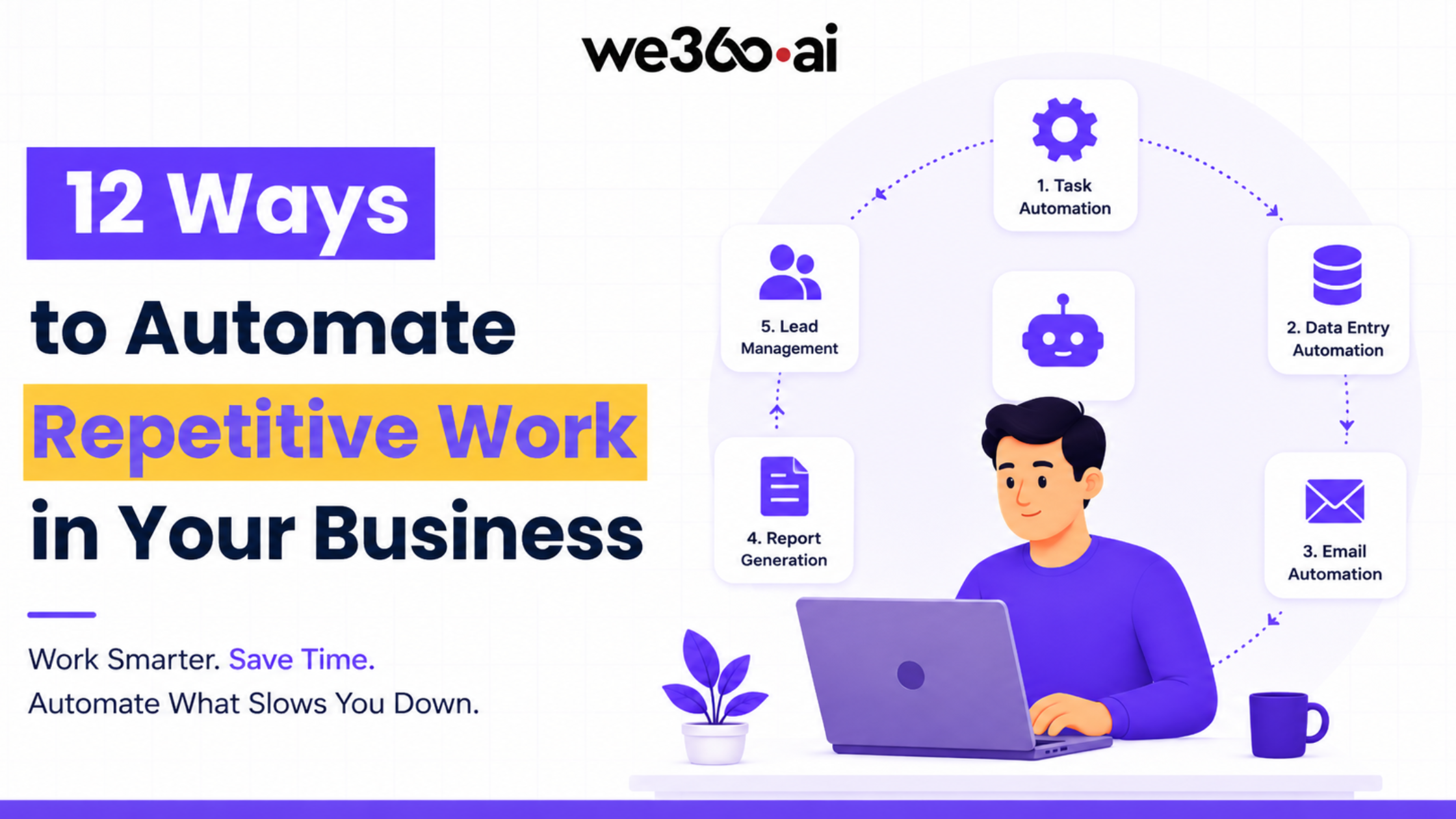
Learn how to automate repetitive work, save time, reduce errors, and help your team focus on higher-value tasks. Explore 12 practical ways to automate everyday business processes.
Learn what an Employee 360 is, how it brings workforce data together, and how HR teams can use it to improve employee performance, engagement, and workforce decisions in 2026.
Learn what people analytics is, why it matters in 2026, and how businesses can use workforce data, tools, and insights to make better HR decisions.
Discover the common causes of low productivity and practical ways to fix them. Learn how poor time management, unclear goals, distractions, burnout, ineffective communication, workload issues, and outdated processes affect performance. Explore actionable strategies businesses and employees can use to improve focus, efficiency, engagement, and overall workplace productivity without creating unnecessary pressure.
Explore the biggest remote work trends shaping 2026 and discover what’s changing for distributed teams. Learn about AI-powered workplaces, hybrid work models, employee productivity, asynchronous collaboration, flexible policies, workforce monitoring, cybersecurity, and employee well-being. Understand how businesses can adapt their remote work strategies to build productive, connected, and future-ready teams.
Discover 24 of the best tools for managing remote and hybrid teams effectively. Explore platforms for communication, project management, time tracking, collaboration, file sharing, productivity, and employee engagement. Compare essential tools that help teams stay connected, organized, productive, and aligned while working across different locations, schedules, and time zones.
Discover 10 proven ways to improve remote working well-being without reducing productivity. Learn practical strategies for managing workload, preventing burnout, encouraging healthy routines, strengthening communication, supporting mental wellness, creating work-life boundaries, and maintaining team engagement. These actionable tips help remote teams stay healthy, focused, connected, and productive while working effectively.
Discover what hybrid remote work means and why it matters in 2026. Learn how businesses combine remote and office work, manage flexible schedules, improve employee productivity, strengthen collaboration, support communication, and build effective workplace policies. This guide covers practical strategies, benefits, challenges, and best practices for successfully implementing hybrid work models.
Learn the common signs that your workplace may be monitoring employee activity and what this means for privacy, transparency, and trust. Understand different types of workplace monitoring, why employers use them, how monitoring can affect employees, and how businesses can create fair, transparent policies that balance productivity with employee trust.
Learn how time blocking can improve productivity, focus, and time management. This complete guide covers proven time-blocking techniques, useful apps, practical templates, and scheduling strategies. Discover how to plan your day, prioritize important tasks, reduce distractions, manage workloads, and create a structured routine that helps you accomplish more with less stress.
Explore profitable remote business ideas for 2026 that require low investment and can be started from anywhere. Discover practical ideas, earning potential, and simple tips to turn your skills into a successful remote business.



![Employee 360 [2026]: Why Whole-Person Workforce Visibility Is the New Standard](https://media.we360.ai/media/Employee 360 Guide 2026 Whole-Person Visibility We360.ai.png?v=2026-08-14T05%3A20%3A24.790Z)
![People Analytics [2026]: Definition, Tools, Use Cases](https://media.we360.ai/media/People Analytics 2026-Definition, Tools, Use Cases.png?v=2026-08-13T07%3A38%3A36.736Z)