




Summarize With AI


Work has changed, but many companies are still trying to define what that change actually looks like.
Some teams are fully remote. Others are back in the office. But most businesses today are somewhere in between, trying to balance flexibility with productivity. That’s where the meaning of hybrid remote work becomes important.
At a glance, hybrid work sounds simple. In reality, it’s one of the most misunderstood workplace models.
Companies often assume hybrid means “a few days at home and a few days in the office.” But that’s just one version. The truth is, hybrid remote work is a broader, more flexible approach to how and where work gets done.
Understanding this properly is critical. Without clarity, businesses struggle with inconsistent policies, communication gaps, and uneven employee experiences.
In 2026, hybrid is not just a trend. It’s becoming the default way of working. And companies that define it clearly are the ones seeing better employee productivity, stronger retention, and more scalable operations.
What does Hybrid Remote Work mean?
The hybrid remote work meaning is simple in principle:
It’s a work model in which employees split their time between working remotely and working in a physical office.
But the key detail is flexibility.
Unlike traditional work models, hybrid doesn’t force everyone into the same structure. Employees may work from home on certain days, come into the office when needed, or follow a schedule based on their role or team.
In a job description, when you see phrases like:
- “Hybrid role”
- “Hybrid remote job”
- “Flexible work model”
It typically means the company expects a mix of remote and in-office work rather than full-time presence in either.
The exact structure can vary widely:
- Some companies require 2–3 days in the office
- Others let employees choose when to come in
- Some are mostly remote with occasional office visits
So when people ask, what does a hybrid remote job mean, the real answer is this:
It’s a flexible work arrangement that combines the benefits of remote and on-site work.
What is On-Site, Hybrid, and Remote Work? (Quick Comparison)
To fully understand hybrid, it helps to compare it with the other two main work models.
On-Site Work | On-site work is the traditional model. Employees are required to be physically present in the office for their entire work schedule. All collaboration, meetings, and tasks happen in person. This model offers structure and direct supervision, but limits flexibility. |
|---|---|
Remote Work | Remote work means employees work entirely outside the office, usually from home or another location. There’s no requirement to come into a physical workspace. Communication happens through digital tools. This model offers maximum flexibility but can create challenges around collaboration and visibility. |
Hybrid Remote Work | Hybrid remote work sits between these two. Employees divide their time between remote and on-site work. This creates a balance between flexibility and in-person collaboration. For businesses, it offers the best of both worlds when implemented correctly. |
Related read: The Guide to Remote Working, Hybrid Working, Telecommuting, and Work-from-Office Structures
4 Types of Hybrid Remote Work Models
Not all hybrid setups look the same. The structure you choose depends on your business goals, team needs, and work style.

6 Key Benefits of Hybrid Remote Work for Businesses
When done right, hybrid remote work offers clear advantages for both companies and employees.

- Better Employee Satisfaction and Retention
Flexibility is one of the top priorities for modern employees.
Hybrid models give people more control over how they work, which leads to higher satisfaction and lower turnover.
- Access to a Wider Talent Pool
You’re no longer limited to hiring within a specific location.
Businesses can attract talent from different cities or even countries, expanding hiring opportunities.
- Improved Work-Life Balance
Employees can better manage personal and professional responsibilities.
This leads to reduced burnout and more sustainable performance.
- Cost Savings on Office Space
With fewer employees in the office at the same time, companies can reduce real estate and operational costs.
- Increased Productivity and Focus
Remote work allows for deep focus, while office time supports collaboration.
This combination often leads to better overall productivity.
- Stronger Business Continuity
Hybrid models make businesses more resilient.
Whether it’s disruptions, travel restrictions, or unexpected events, operations can continue smoothly.
Challenges of Hybrid Remote Work
While the benefits are clear, hybrid work also comes with challenges that need to be managed carefully.
- Communication and Collaboration Gaps
When teams are split between locations, communication can become inconsistent.
Without clear systems, information gets lost or delayed.
- Difficulty in Tracking Productivity
Managers often struggle with visibility.
This is where understanding what hybrid remote means in a job description becomes important. Expectations must be clearly defined.
- Technology and Infrastructure Costs
Hybrid work requires reliable tools, secure systems, and strong connectivity.
This can increase initial setup costs.
- Risk of Employee Isolation
Remote employees may feel disconnected from the team.
Without intentional effort, engagement can drop.
- Managing Fairness Between Remote and In-Office Staff
Some employees may feel others have advantages depending on where they work.
Maintaining fairness is critical for morale.
How to Implement a Hybrid Remote Work Model Successfully
A successful hybrid model doesn’t happen by accident. It requires a clear structure and ongoing management.
- Set Clear Work Policies
Define expectations around schedules, availability, communication, and performance.
Clarity reduces confusion.
- Use the Right Collaboration Tools
Invest in tools that support communication, project management, and real-time collaboration.
- Focus on Output, Not Attendance
Measure performance based on results, not hours spent online or in the office.
This aligns with modern work expectations.
- Ensure Equal Employee Experience
Make sure remote and in-office employees have equal access to information, opportunities, and visibility.
- Continuously Monitor and Optimize
Track performance, gather feedback, and refine your approach.
Hybrid work evolves.
How We360.ai Helps You Manage Hybrid Remote Work
Managing hybrid teams requires visibility without micromanagement. That’s where We360.ai plays a key role.
- Track Productivity Across Locations
Monitor how employees perform, whether they’re working remotely or in the office.
- Identify Work Patterns and Peak Productivity
Understand when and how your teams work best.
- Ensure Workload Balance
Distribute work evenly to avoid burnout or underutilization.
- Improve Accountability Without Micromanagement
Get clear insights without constantly checking in.
- Optimize Hybrid Work Policies with Data
Use real performance data to refine your hybrid strategy.
The Future of Hybrid Remote Work (2026 and Beyond)
Hybrid work is no longer an experiment. It’s evolving into a more refined, performance-driven model that focuses less on where people work and more on how effectively they deliver results.
As businesses mature in their approach to hybrid remote work, the next phase is becoming clearer and more structured.
Shift Toward Outcome-Based Work
The biggest shift is moving away from time-based work to outcome-based performance.
Instead of tracking hours, logins, or office presence, companies are focusing on results. What matters is output, quality, and impact.
This change is pushing organizations to redefine KPIs, rethink performance reviews, and build cultures centered around accountability and trust.
Fewer Meetings, More Focus Time
One major lesson from the past few years is that too many meetings reduce productivity.
In the future, companies are becoming more intentional about communication. Expect:
- Fewer unnecessary meetings
- More asynchronous communication
- Dedicated deep-work time
The goal is simple. Give employees uninterrupted time to focus and produce meaningful work.
Smarter Office Spaces
Offices are no longer designed for rows of desks.
They are being redesigned as collaboration hubs. Spaces are optimized for:
- Team meetings
- Brainstorming sessions
- Social interaction
Employees come into the office with a purpose, not just to sit and work. This makes office time more valuable and engaging.
Increased Use of AI and Analytics
Technology is playing a bigger role in managing hybrid teams.
AI and analytics tools are helping businesses:
- Track productivity patterns
- Identify bottlenecks
- Optimize workflows
- Improve decision-making
Instead of relying on guesswork, leaders are using data to continuously refine how work gets done.
Hybrid Becoming Standard Across Industries
What was once a flexible option is now becoming the default.
Across industries, from tech to finance to consulting, hybrid models are being adopted as standard practice. Even traditionally office-based sectors are shifting toward more flexible structures.
This means companies that resist hybrid risk are falling behind in hiring, retention, and overall competitiveness.
The future of work is not fully remote or fully in-office. It’s intelligently hybrid.
Businesses that succeed will be the ones that design systems around flexibility, performance, and data rather than forcing employees into outdated models.
Conclusion
Hybrid work is not just about where people work. It’s about how work gets done.
Understanding the meaning of a hybrid remote job helps businesses build systems that are flexible, productive, and scalable.
The companies that succeed in 2026 are not forcing employees into old models. They’re designing smarter ways of working that balance performance with flexibility.
Hybrid is no longer an experiment. It’s the future of work.
Fun fact: 89% managers say We360.ai improves productivity visibility. Find out how our Employee Productivity tool works!
FAQs
1. What is the difference between a hybrid and a remote job?
A remote job is fully location-independent, while a hybrid job requires a mix of remote and in-office work.
2. What is an example of hybrid work?
An employee working three days from home and two days in the office is a common example of hybrid work.
3. Is hybrid better than WFH?
It depends on the role and company. Hybrid offers a balance of flexibility and collaboration, while full WFH offers maximum flexibility.
4. What are the 5 C's of hybrid work?
Commonly, the 5 C’s include communication, coordination, collaboration, culture, and connection.
5. Is remote work going away in 2026?
No. Remote work continues to exist, but hybrid models are becoming more common across industries.
6. Is a hybrid usually 2 or 3 days in the office?
In many companies, yes. But it varies widely depending on the organization and role.
Related Posts
Explore the biggest remote work trends shaping 2026 and discover what’s changing for distributed teams. Learn about AI-powered workplaces, hybrid work models, employee productivity, asynchronous collaboration, flexible policies, workforce monitoring, cybersecurity, and employee well-being. Understand how businesses can adapt their remote work strategies to build productive, connected, and future-ready teams.
Discover 10 proven ways to improve remote working well-being without reducing productivity. Learn practical strategies for managing workload, preventing burnout, encouraging healthy routines, strengthening communication, supporting mental wellness, creating work-life boundaries, and maintaining team engagement. These actionable tips help remote teams stay healthy, focused, connected, and productive while working effectively.

Explore how flexible work arrangements are transforming modern employment. Learn about remote work, hybrid models, flexible schedules, and employee autonomy, along with their benefits and challenges. Discover practical strategies businesses can use to improve productivity, employee satisfaction, collaboration, and workplace efficiency while building a more adaptable and future-ready organization.
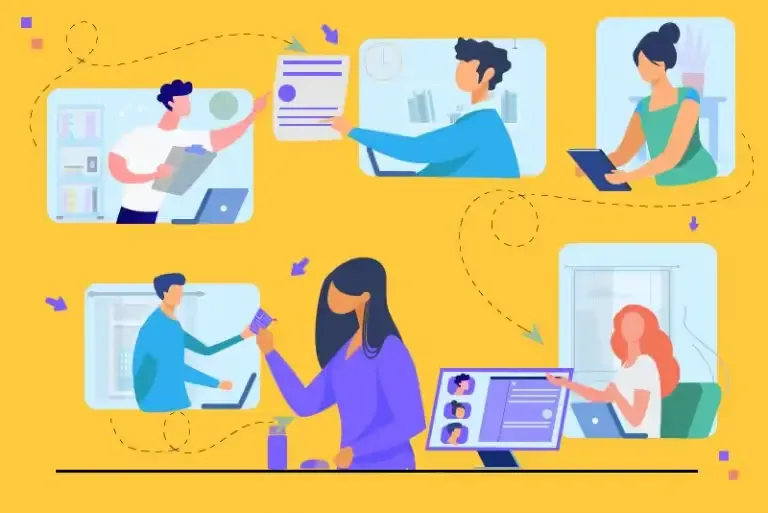
Work is no longer tied to a single location, and organizations everywhere are refining how they support employees outside traditional office walls. From hybrid setups to fully remote teams, leaders are discovering that productivity at home depends less on strict supervision and more on creating the right environment, tools, and culture.