Employee recognition programs can improve engagement, retention, and workplace culture when done consistently. This guide covers the different types of recognition programs, real-world examples, rewards vs. recognition, options for small businesses, and the research-backed ROI of recognizing employees effectively.
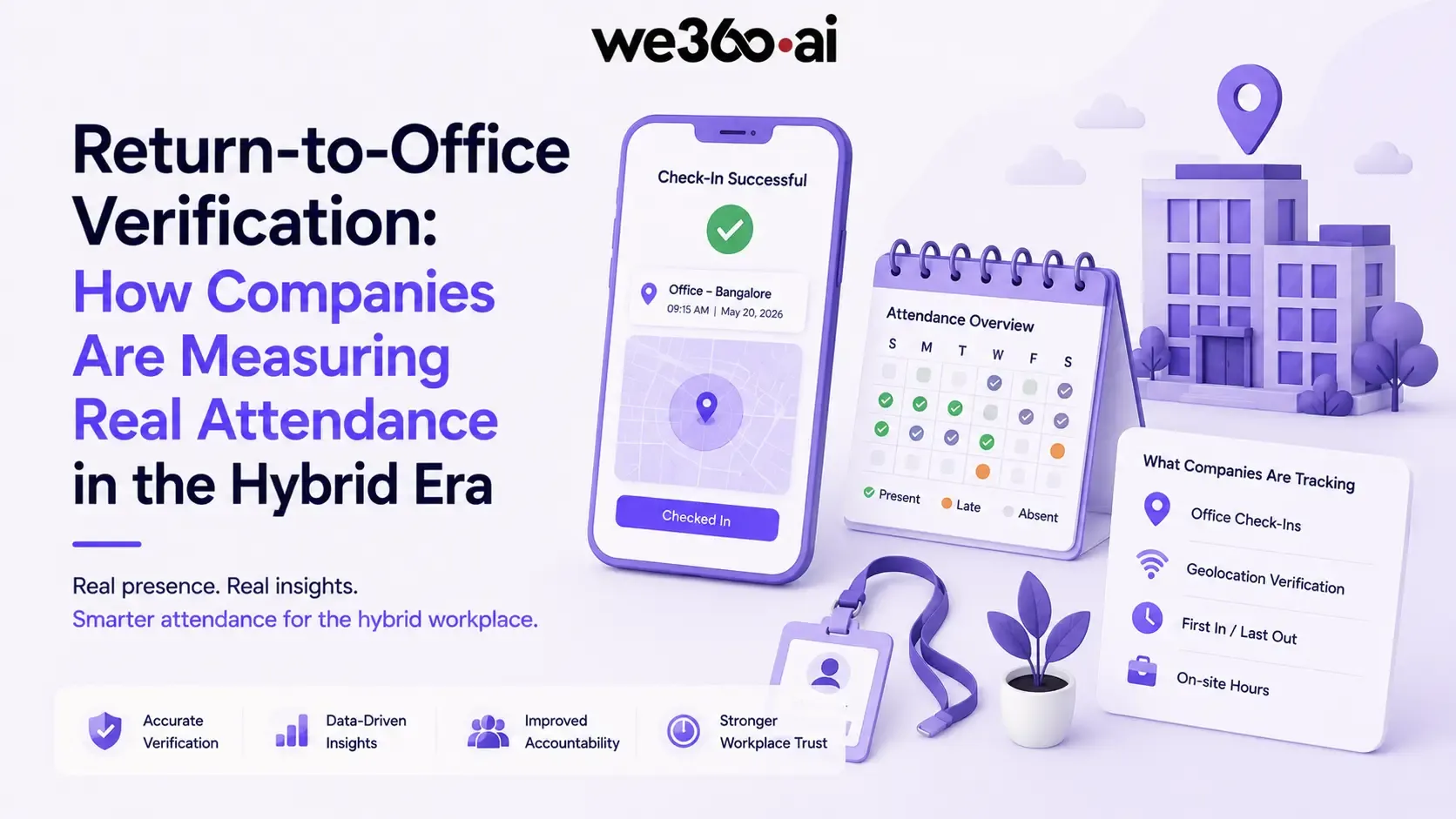
Employee attendance and tracking are changing as workplaces become more flexible and distributed. This guide looks at how businesses are using modern technology to manage attendance, work hours, remote teams, and productivity. Learn about emerging trends, practical tools, and better ways to track work while keeping processes simple and transparent.
Looking for a Reddit alternative in 2026? Explore 12 platforms for online discussions, niche communities, tech forums, real-time conversations, and local groups. Find the right platform based on your interests and community needs.
Bench time is common in staffing and services businesses, but it can quickly become costly if it isn’t managed well. This guide explains how to track bench time, keep employees engaged, identify upcoming opportunities, improve resource planning, and make better use of available talent while waiting for the next project.
Learn what time theft means, how it happens, and why it matters to businesses. Explore common examples such as inaccurate time reporting, extended breaks, buddy punching, and unauthorized activities. Understand how companies detect time theft using attendance systems, time tracking, and productivity tools while maintaining transparency, fairness, and employee trust.
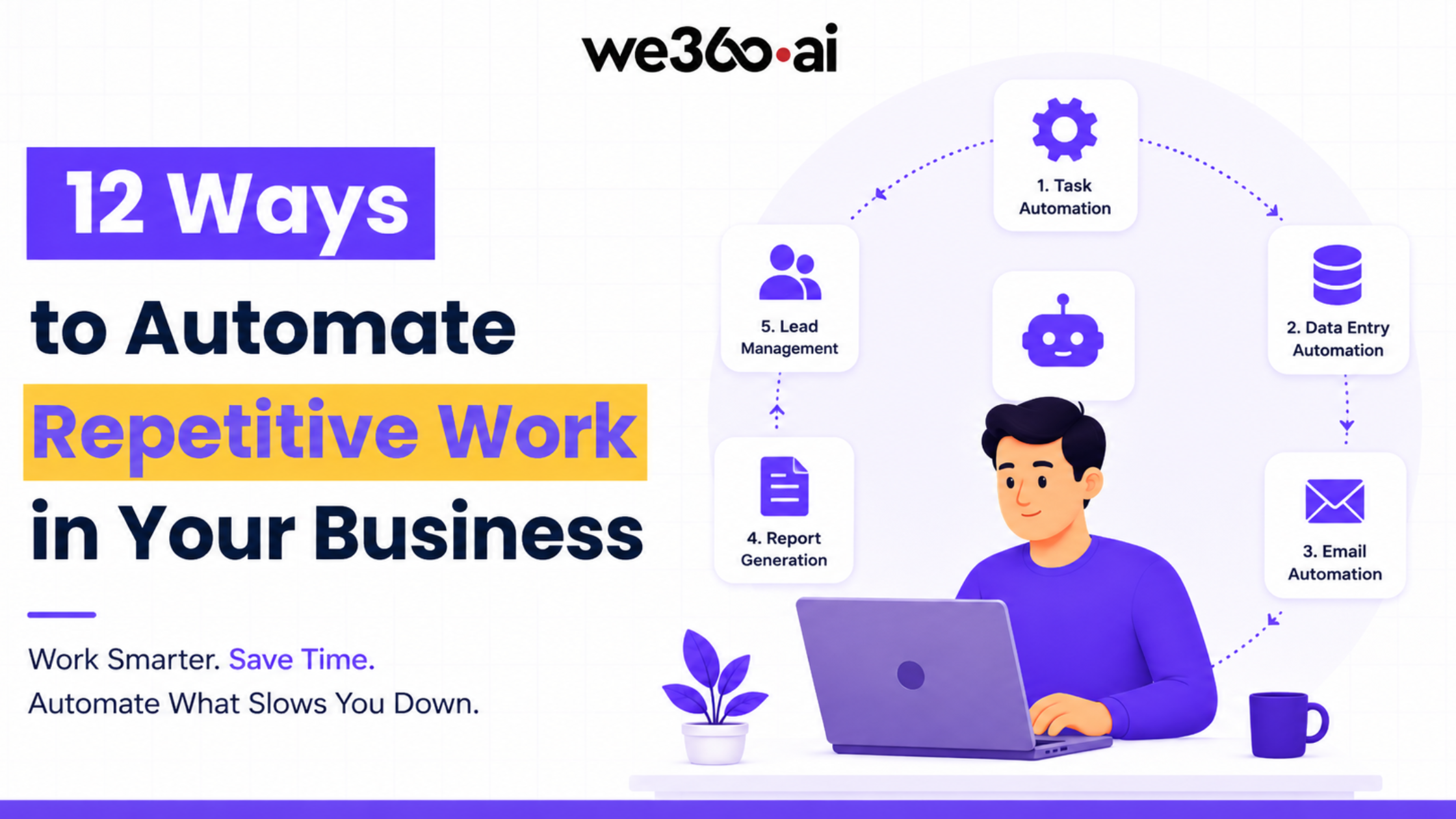
Learn how to automate repetitive work, save time, reduce errors, and help your team focus on higher-value tasks. Explore 12 practical ways to automate everyday business processes.
AI is becoming a bigger part of everyday work, from automating routine tasks to helping teams make faster decisions. This guide explores the key AI workplace trends shaping 2026, along with real-world examples of how businesses are using AI to improve productivity, collaboration, employee experience, and overall workplace efficiency.
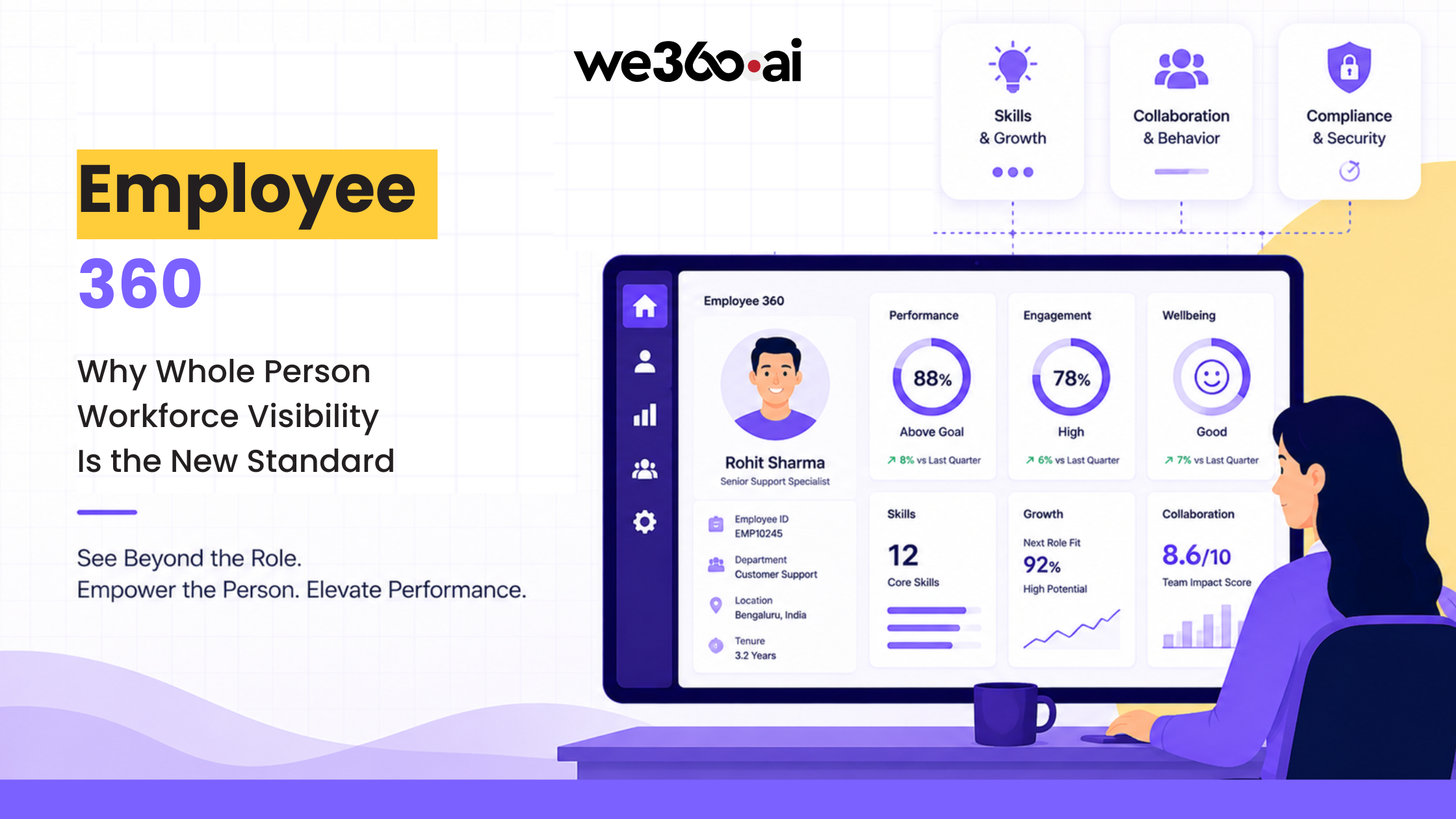
An Employee 360 brings attendance, performance, engagement, learning, and workforce data into one unified view. This 2026 guide explains how Employee 360 works, what data it includes, its benefits for HR teams, and how to implement it effectively while maintaining employee trust and data privacy.
Learn what an Employee 360 is, how it brings workforce data together, and how HR teams can use it to improve employee performance, engagement, and workforce decisions in 2026.
Learn what people analytics is, why it matters in 2026, and how businesses can use workforce data, tools, and insights to make better HR decisions.
Discover the common causes of low productivity and practical ways to fix them. Learn how poor time management, unclear goals, distractions, burnout, ineffective communication, workload issues, and outdated processes affect performance. Explore actionable strategies businesses and employees can use to improve focus, efficiency, engagement, and overall workplace productivity without creating unnecessary pressure.
Explore the biggest remote work trends shaping 2026 and discover what’s changing for distributed teams. Learn about AI-powered workplaces, hybrid work models, employee productivity, asynchronous collaboration, flexible policies, workforce monitoring, cybersecurity, and employee well-being. Understand how businesses can adapt their remote work strategies to build productive, connected, and future-ready teams.



Productivity Without Big Brother.webp?v=2026-08-22T07%3A23%3A14.411Z)
![Employee 360 [2026]: Why Whole-Person Workforce Visibility Is the New Standard](https://media.we360.ai/media/Employee 360 Guide 2026 Whole-Person Visibility We360.ai.png?v=2026-08-14T05%3A20%3A24.790Z)
![People Analytics [2026]: Definition, Tools, Use Cases](https://media.we360.ai/media/People Analytics 2026-Definition, Tools, Use Cases.png?v=2026-08-13T07%3A38%3A36.736Z)