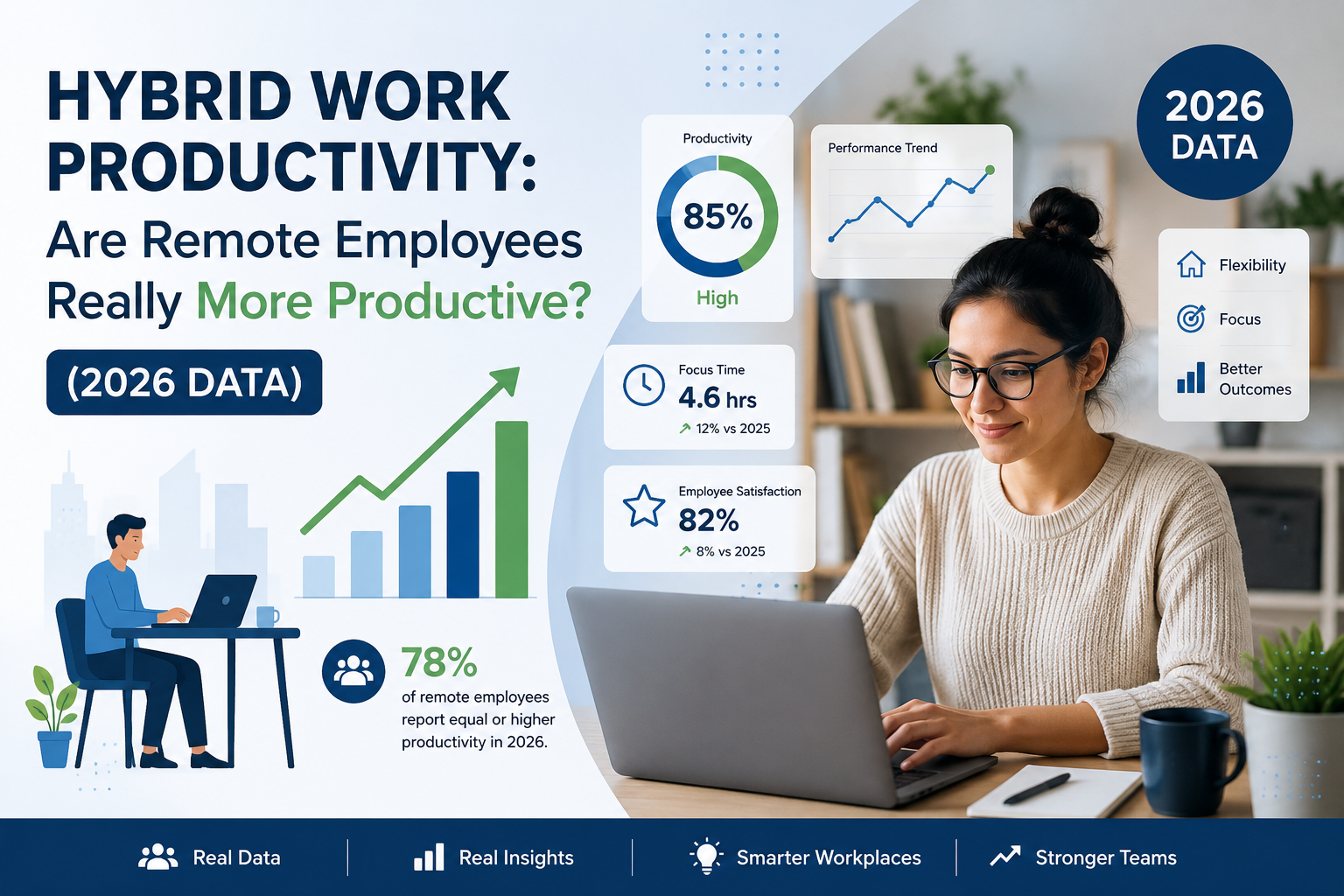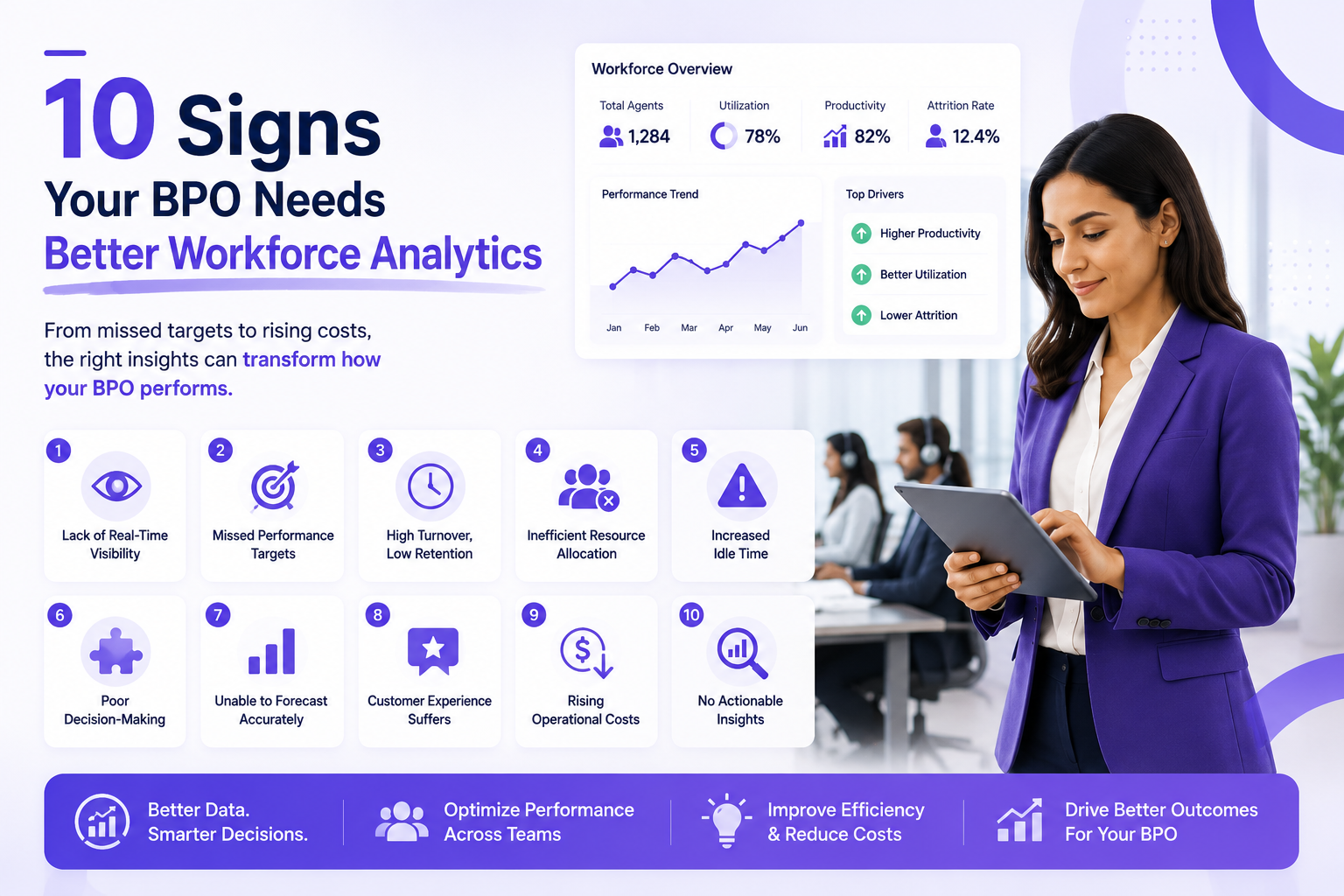

Hybrid workforce management is tough. As a manager, you may trust your team and rely on their instincts. But running your business solely on the grounds of trust is difficult. Without holding employees accountable for their roles implies that some team members slack and productivity suffers. You are right when you do not want to indulge in micromanagement, but there must be a way to measure the outcome of each employee.
As a resolution, you may look into:
- Outcome-driven tracking to measure progress based on deliverables completed within deadlines.
- Finding out how good a team player each employee is.
- Measuring employee productivity reports via a time tracking tool to get an insight into timesheets, project progress, and maintaining a healthy work culture of accountability.
However, measuring productivity suffers especially when you have so many work models, viz. remote, hybrid and on-site. Hybrid model is becoming increasingly popular and before we delve into how it’s productive, let’s look into what these models are.
What is a remote work model?
In a perfect world, employees should be able to commute to opposite ends of the world and work from anywhere. This is the truth of remote work. Remote work or telecommuting is a work setting where employees work externally from a traditional office location, anywhere that has a stable internet connection.
Now let’s dive in hybrid work model.
What is hybrid work?
Hybrid work is a flexible work model that blends remote work with on-site work. It centres around employee productivity and well-being.
To work in a hybrid setting, you need to inculcate certain habits like:
- Foster a strong working culture : To know that you do not have to clock in and be present at the work location physically every day may lead to procrastination. Therefore, to maintain a routine, developing healthy habits is the pavement of boosting productivity. Do not slack off on time just because you’re working in a hybrid setting. When remote, wake up at a fixed time, create a daily schedule and stick to fixed meals and break time.
Adhere Pomodoro Technique: Work for 25 minutes, rest for 5 minutes. After 4 cycles, take a longer break (15-30 minutes). For complex tasks, extend focused work sessions to 50 minutes with 10-minute breaks.
- Maintain a dedicated workspace : Focus is the key to productive hours. Identify a place in your home (or office) where you feel most productive. Do not work on your bed or sofa for that matter.
- Find a quiet corner.
- Use noise-cancellation headphones to cut down on external noise.
- Find out ways that keep you in the working zone.
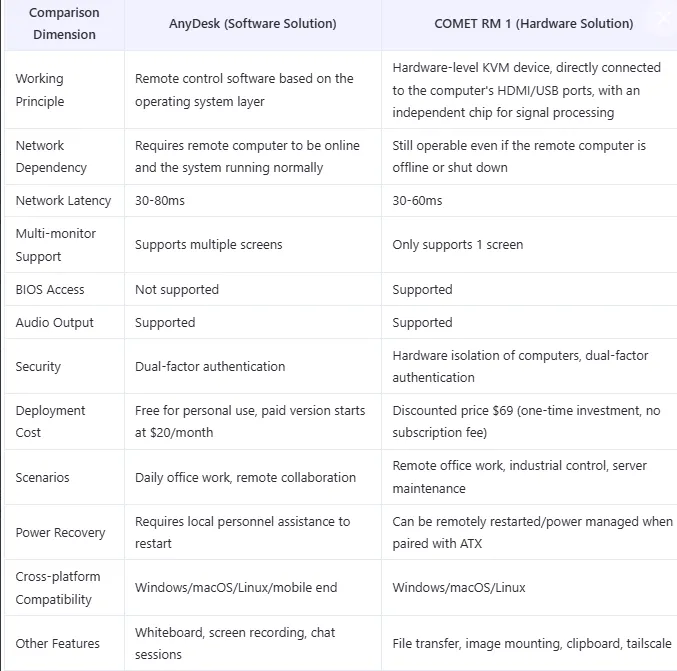
- Use remote work tools : Reliable tools are pivotal when it comes to hybrid model productivity. Here’s a list of hardware and software you can choose from:
- Improve team communication : When working in a hybrid setting, you cannot just reach out to colleagues and discuss your problem. When it comes to a hybrid setting, follow DISC (Dominance, Influence, Steadiness, Compliance) protocol or Context - Problem - Suggestion framework (the practice of providing sufficient background information (context) about a problem (issue) to facilitate accurate and relevant advice or solutions (suggestions).
Why is hybrid work different from remote setting?
Although remote work offers ease, there are many fronts where it lacks.
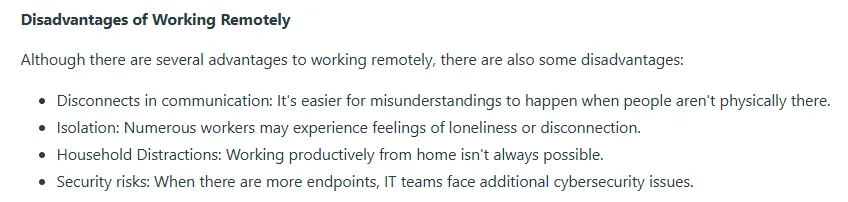
Therefore, let’s understand why hybrid mode is preferable:
- Improved collaboration and faster decision-making through in-person discussions and real-time problem-solving.
- Balanced productivity by combining focused remote work with collaborative office days.
- Stronger team culture and engagement with reduced isolation compared to fully remote work models.
You can measure hybrid work metrics via:
- Switching context : Remote employees have a consistent environment; however, when it comes to hybrid work, they switch between:
- Office workdays
- Remote workdays
Measuring only on output varies depending on the switching context. A better hybrid metric is acknowledging time variance between remote and hybrid settings. Another factor is to measure task completion consistency.
- Being present isn’t synonymous with productivity : Remote employees have greater convenience and flexibility in working on tasks. However, hybrid teams juggle both synchronous and in-person collaboration. A remote setting implies a greater emphasis on individual performance; however, a hybrid setting focuses on collaboration.
Hybrid metric includes:
- Cross-team dependency resolution
- Collaboration-to-output ratio
- Disbalanced visibility affecting performance evaluation : In a hybrid setting, in-office employees are more visible than remote workers. This leads to a performance bias weighing towards hybrid setting employees.
Hybrid metric to measure here is:
- Outcome-based performance
- Deliverable completion quality
- Hybrid burnout : Hybrid employees work longer days. They commute to office and extend working on remote days. Hybrid model burnout is caused by a fragmented schedule and not overwork.
You can measure these metrics via:
- Hourly energy tracking
- Task completion efficiency
- Recovery metrics
Intervention protocol to prevent hybrid setting burnout
- Energy-based task allocation: Map all recurring tasks to their optimal energy states based on 2-week data.
- Chronotype-aligned scheduling: Restructure calendar to match personal energy curve rather than arbitrary work hours.
- Cognitive load capping: Limit high-intensity tasks to 3 daily (determined through progressive testing)
- Recovery tracking: Implement systematic breaks tied to HRV readings
Take Your Employee Engagement to the Next Level with We360.ai
Book a Demo Today!.png)
Hybrid team performance metrics to measure
Hybrid work doesn’t fail because employees aren’t productive; it fails when productivity is measured the wrong way. Managers can’t rely only on trust, yet micromanagement damages morale. This makes hybrid workforce management uniquely challenging. Unlike remote teams with stable work environments, hybrid teams constantly switch between office and remote days, meetings and focus time, collaboration and execution.
Measuring hours or physical presence hides real output and fuels burnout. That’s why hybrid work productivity needs outcome-driven metrics, not remote benchmarks. With the right employee productivity report, leaders can track deliverables, collaboration, and work patterns, ensuring accountability, fairness, and sustainable performance in a hybrid workforce.
If you too are struggling to measure your hybrid team’s productivity, book a FREE DEMO with we360.ai now and we will take it from there.
Ciao!