

Jun 18, 2026
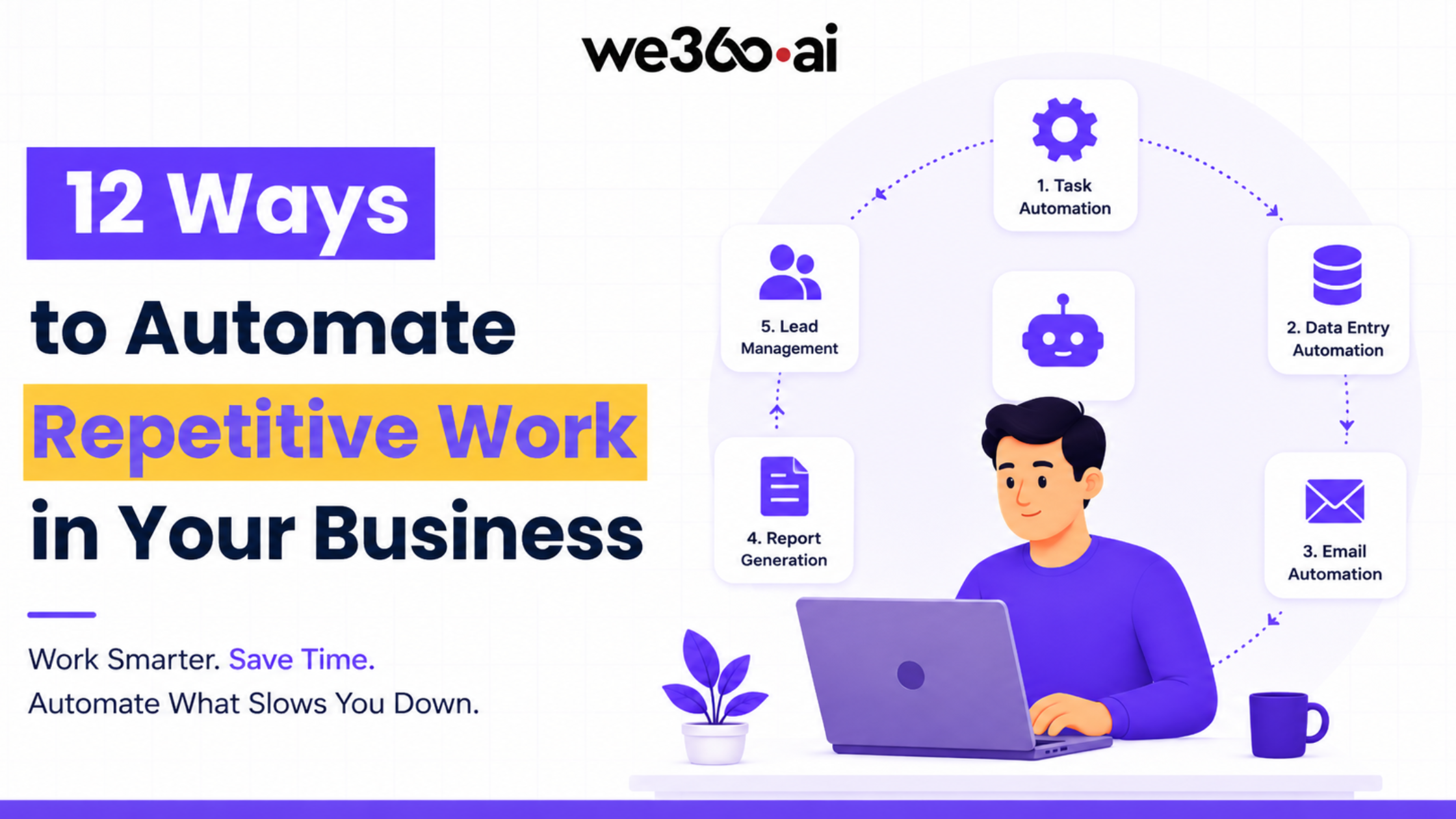
12 Ways to Automate Repetitive Work in Your Business
Learn how to automate repetitive work, save time, reduce errors, and help your team focus on higher-value tasks. Explore 12 practical ways to automate everyday business processes.

May 15, 2026
What Causes Low Productivity? Common Causes and Fixes
Discover the common causes of low productivity and practical ways to fix them. Learn how poor time management, unclear goals, distractions, burnout, ineffective communication, workload issues, and outdated processes affect performance. Explore actionable strategies businesses and employees can use to improve focus, efficiency, engagement, and overall workplace productivity without creating unnecessary pressure.
Apr 7, 2026
Disengaged Employees: Signs, Causes, and How to Spot Them with Data
Not every quiet employee is a loyal one. This guide breaks down the real signs of disengaged employees, from the 7 habits that give it away to the difference between merely checked out and actively disengaged, backed by Gallup's engagement data.
Apr 7, 2026
Best Employee Productivity Report Templates for 2026
Explore the best employee productivity report templates for 2026 and learn how to track tasks, focus, performance, and outcomes to improve team productivity.
Jan 12, 2026
Understanding Different Working Styles (and Managing a Mixed Team)
Learn how different working styles influence communication, collaboration, productivity, and team performance. Discover how to identify individual work preferences, manage diverse personalities, improve teamwork, reduce workplace friction, and create an inclusive environment. Explore practical strategies for managers to support a mixed team and help every employee work effectively.
Sep 14, 2025
Performance Management & Reviews: A Modern, Data-Driven Approach
Discover how modern performance management and employee reviews are evolving through data-driven strategies. Learn how continuous feedback, clear goals, productivity insights, performance metrics, and technology can improve employee development, engagement, and business outcomes. Explore practical approaches to make performance reviews more transparent, objective, actionable, and aligned with organizational goals.
Mar 12, 2025
Digital Presenteeism: Why 'Being Online' Isn't the Same as Being Productive
Understand digital presenteeism and why being constantly online does not always mean being productive. Explore how excessive availability, unnecessary meetings, notifications, and screen time can impact focus, employee well-being, and performance. Learn practical strategies to measure meaningful productivity, reduce digital overload, set healthy boundaries, and build more effective work environments.
Feb 12, 2025
Inbox Zero: A Step-by-Step Guide to Email Decluttering
Learn how to achieve Inbox Zero with a simple, step-by-step approach to email decluttering. Discover practical techniques for organizing messages, prioritizing important emails, reducing inbox overload, creating useful filters, managing notifications, and building sustainable email habits that save time, improve focus, reduce distractions, and boost workplace productivity.
Feb 5, 2025
15 Productivity Hacks That Actually Work in 2026
Discover 15 practical productivity hacks that actually work in 2026. Learn how to improve focus, manage time, prioritize tasks, reduce distractions, use technology effectively, and build better work habits. These actionable strategies can help employees and teams work smarter, stay organized, boost efficiency, and achieve better results without unnecessary stress.

Aug 20, 2024
Why Taking Breaks Improves Productivity (What the Research Says)
Learn why taking regular breaks can improve productivity, focus, and work quality. Explore what research says about rest, mental fatigue, attention, and performance. Discover practical ways to schedule effective breaks, avoid burnout, maintain energy, and help employees and teams stay focused and productive throughout the workday without sacrificing results.

Oct 13, 2023
Proactive vs. Reactive at Work: How to Build the Habit
Learn the difference between proactive and reactive work habits and why being proactive can improve productivity, decision-making, and workplace performance. Discover practical strategies to anticipate challenges, prioritize tasks, plan ahead, manage time effectively, reduce distractions, and build proactive habits that help employees and teams work smarter, stay organized, and achieve better results.

Aug 18, 2023
The Productivity Paranoia Gap: Why Managers and Employees See Output Differently
Explore the productivity paranoia gap and why managers and employees often have different views of workplace output. Understand how visibility, communication, trust, remote work, expectations, and performance measurement influence these perceptions. Discover practical strategies to align teams, improve transparency, measure meaningful productivity, and build stronger manager-employee relationships.